We crossed in to Lithuania a couple of days ago so I thought I would update on our time in Estonia and Latvia. We’ve been having a nice time and it’s so interesting to know these countries now after so many years of trying to imagine what they would be like. Sort of like it was for Norway. As I mentioned previously, we get a fair amount of truck parts from the Baltics and we’ve also eaten many a smoked sprat (sardine) from them too! We were aware of their history but it is something different to see it in person and observe how the people are and how they live in a land that has endured so many difficult events.
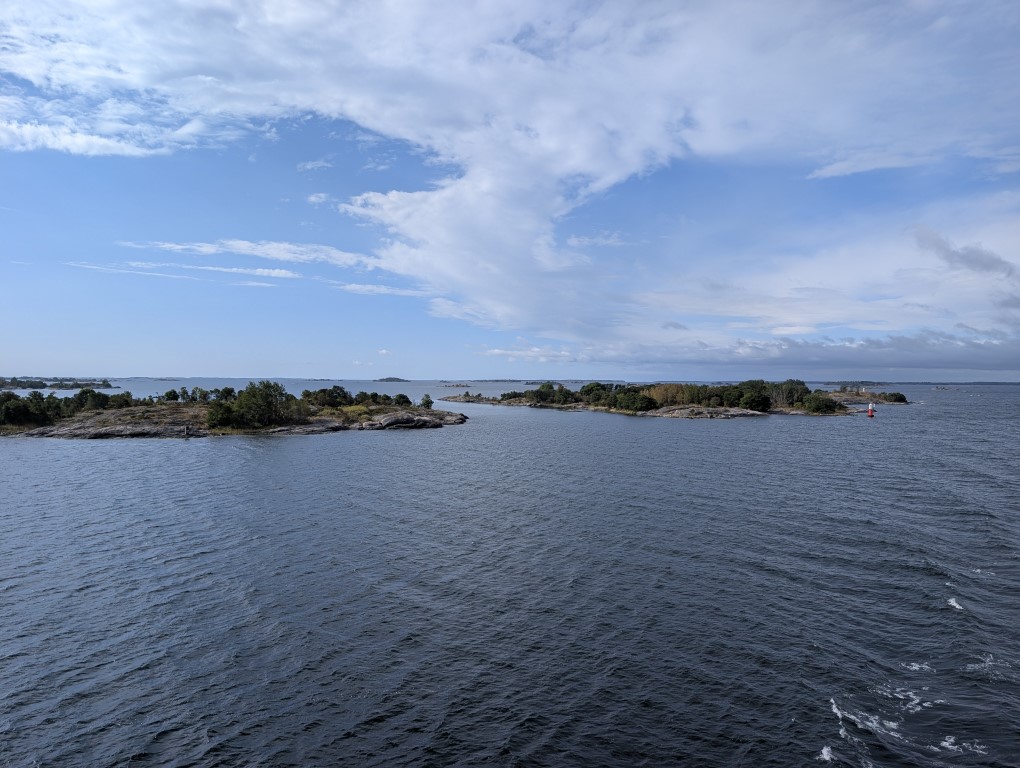
On the ferry out from Sweden we passed some of the thousands of little islands that make up what they call an archipelago but I always associate those with tropical water and this was definitely not!! The Baltic Sea hasn’t lured us to swim in it. We had a cabin on the ferry which makes it much more tolerable and we can arrive showered and caught up on computer tasks. However, the next one to Germany in a week is 30 hours which we’re dreading.
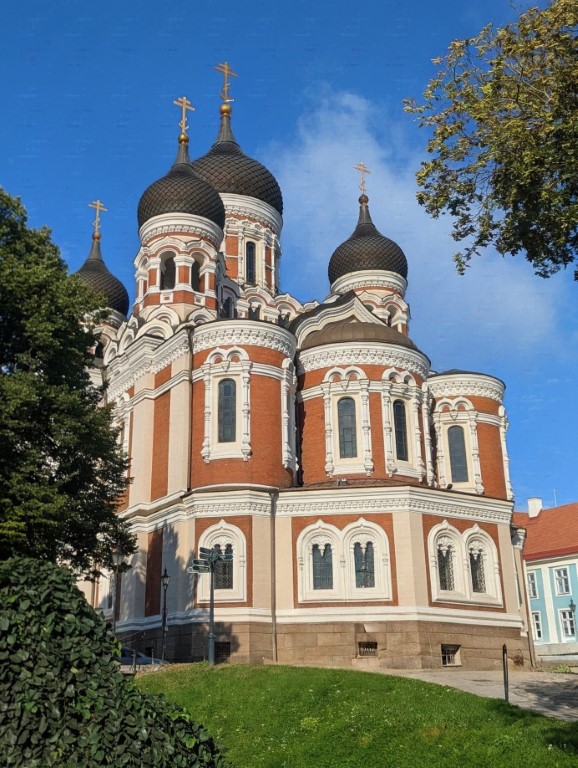
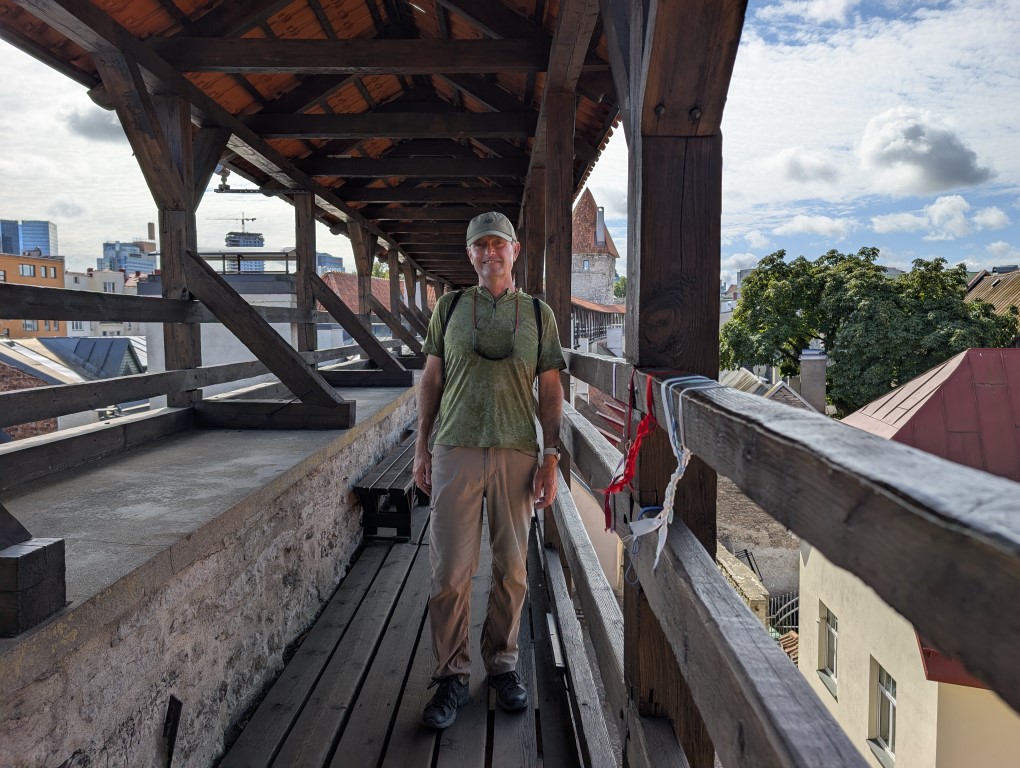
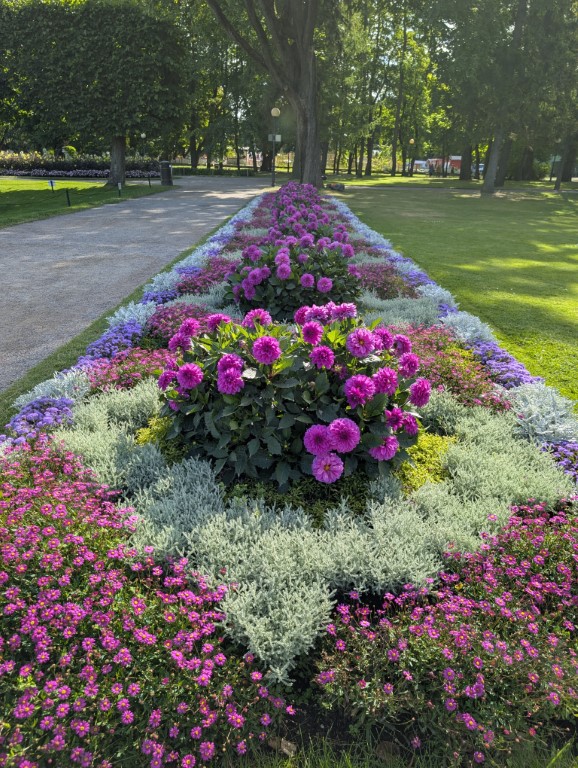
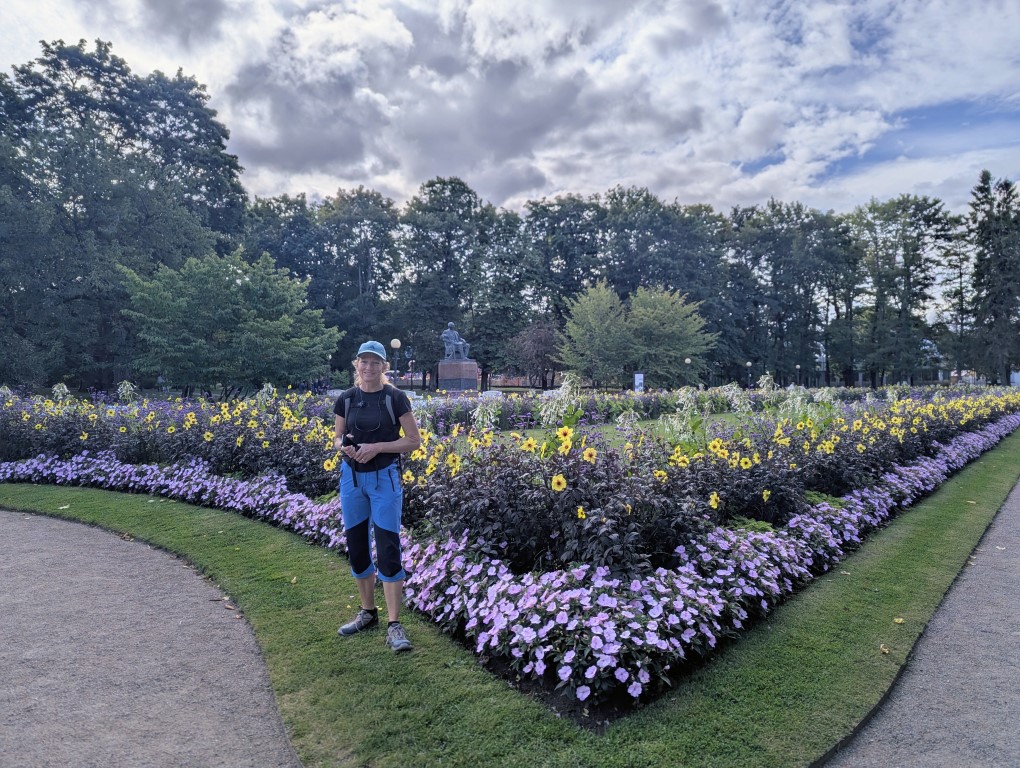
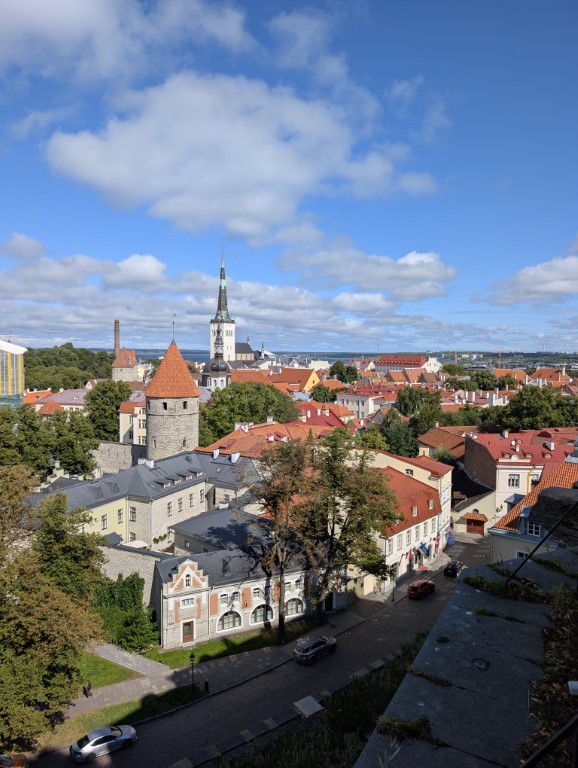
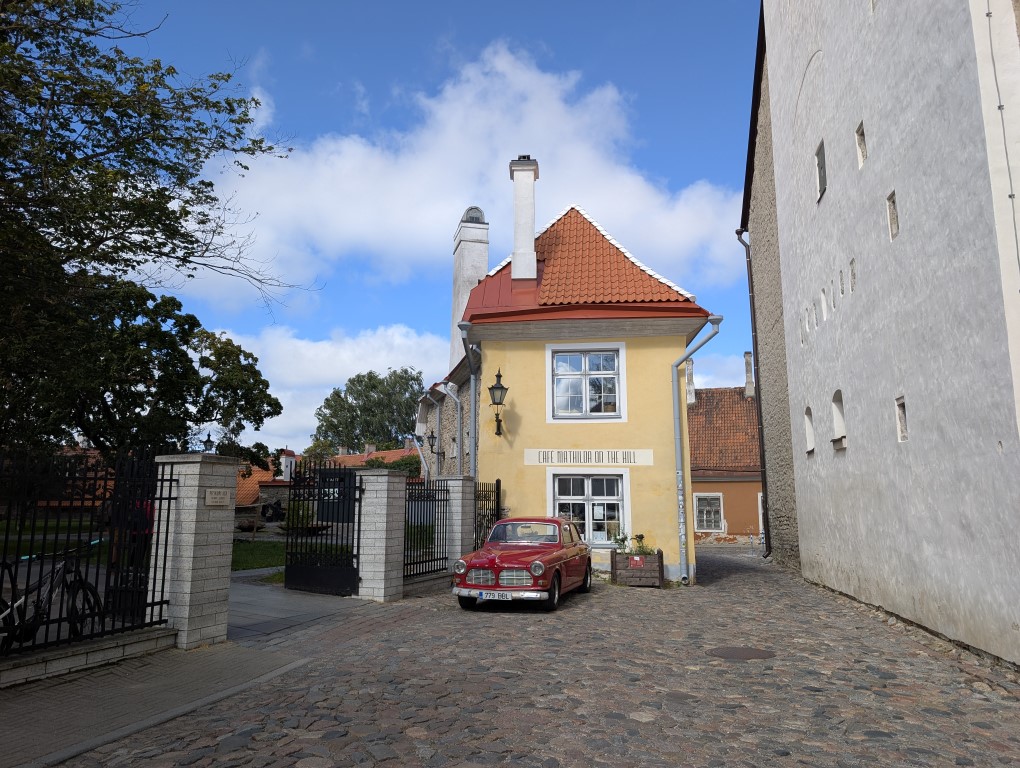
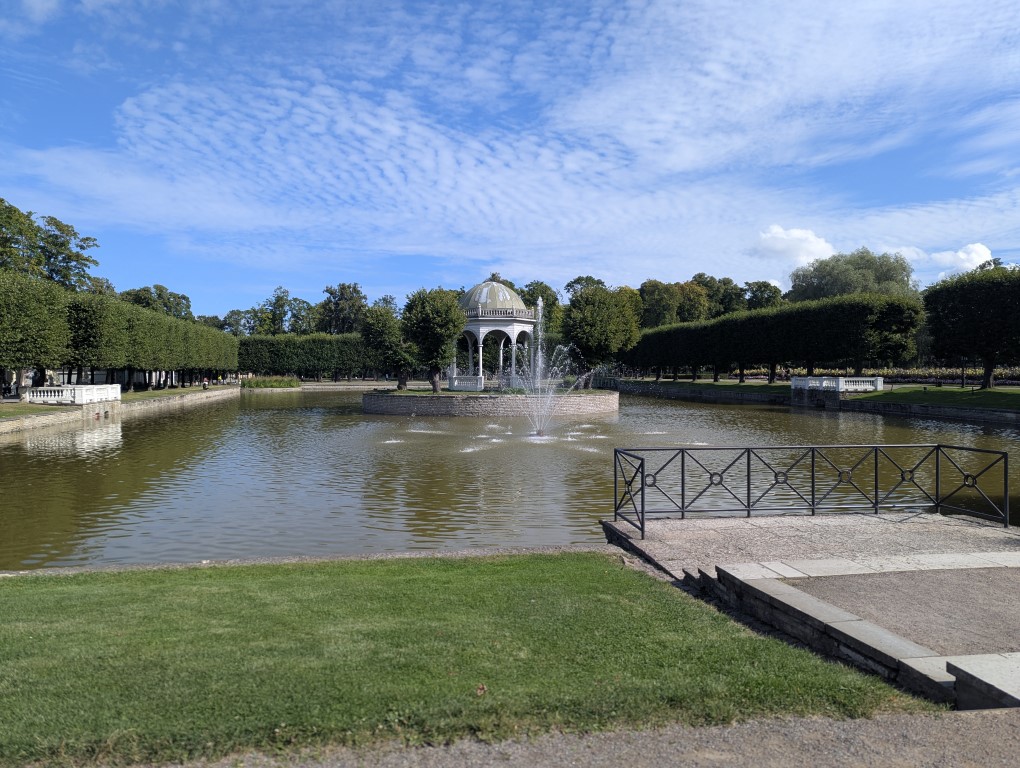
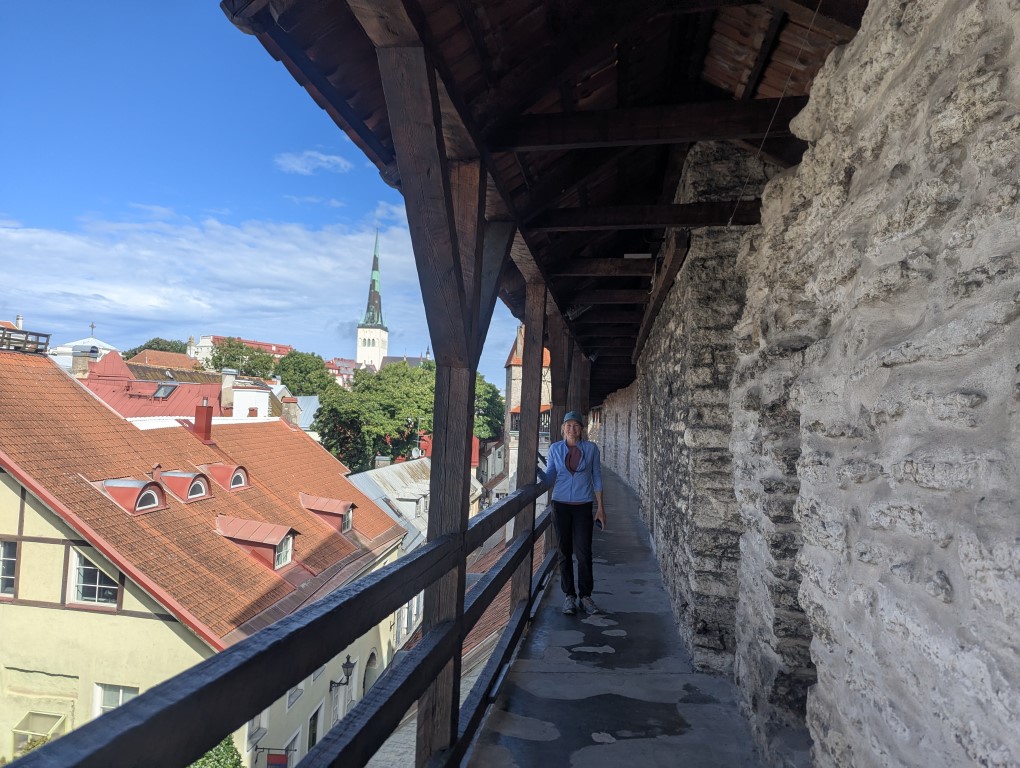
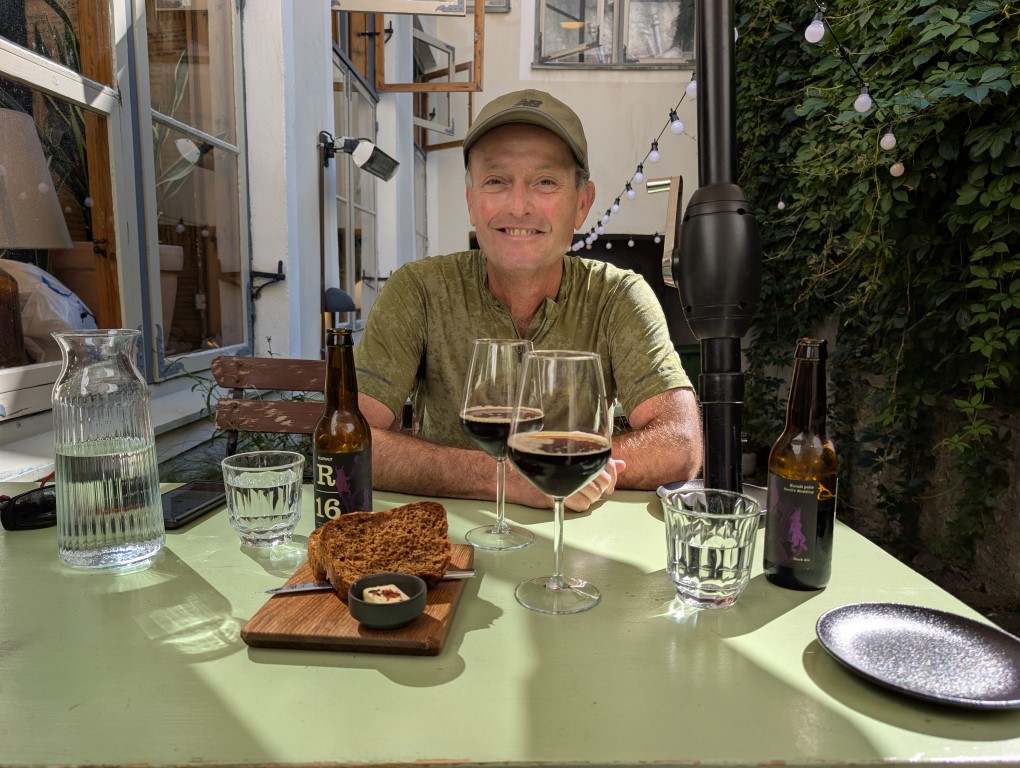
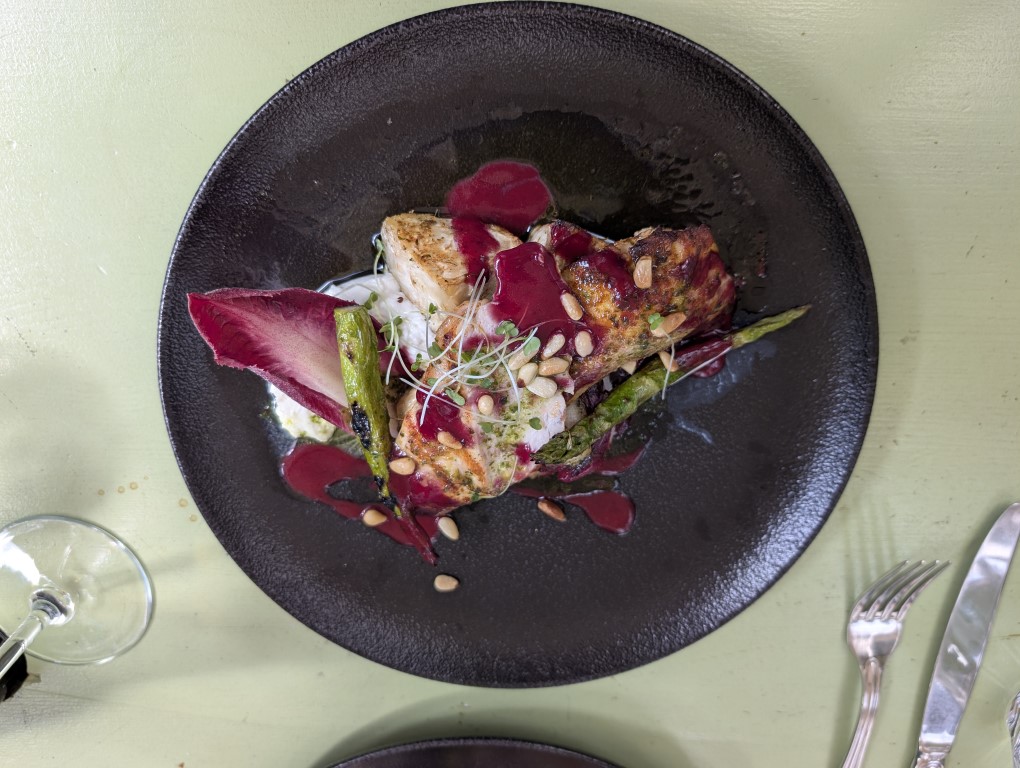
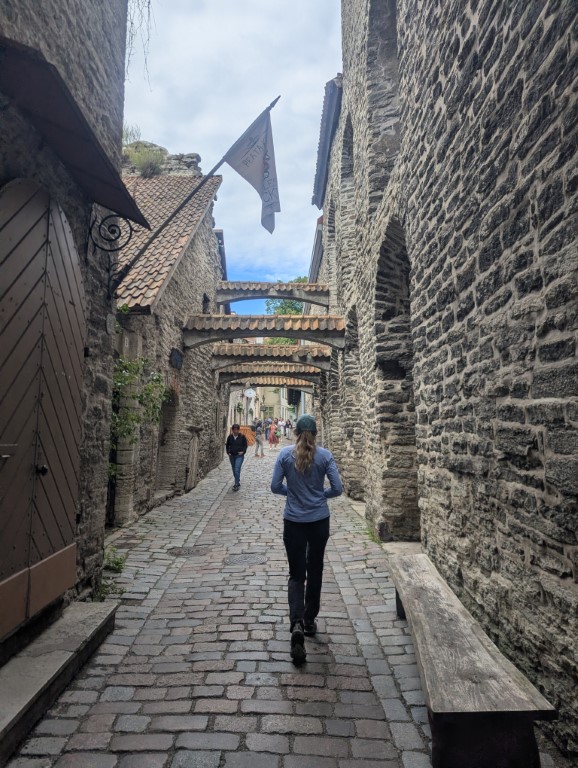
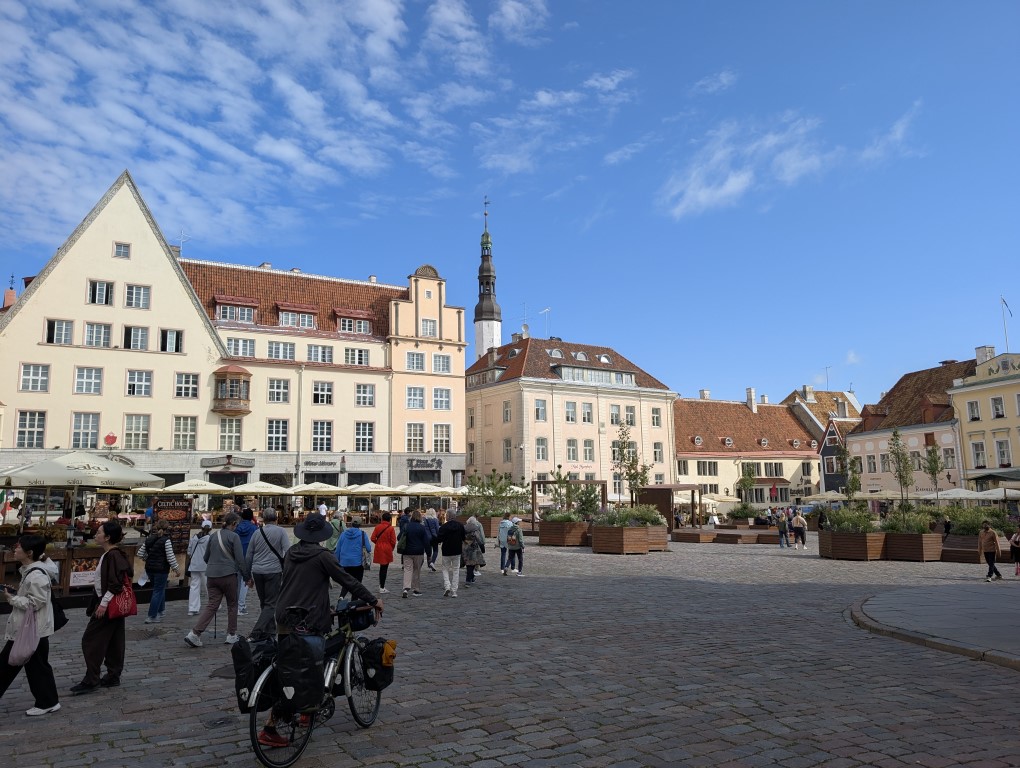
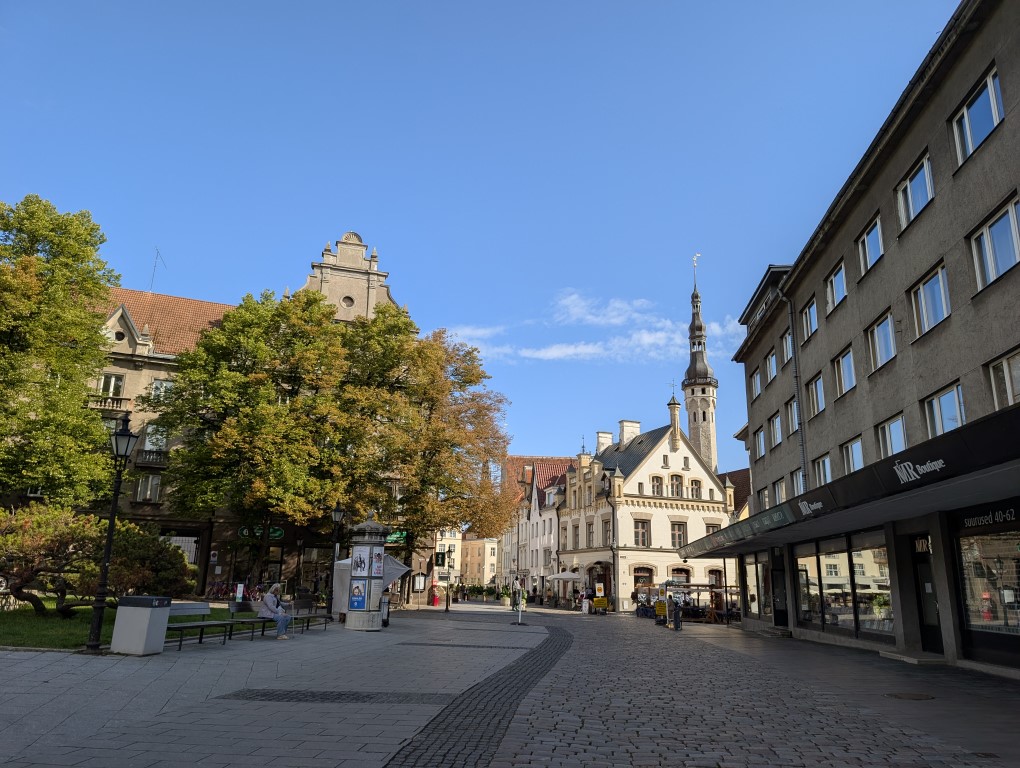
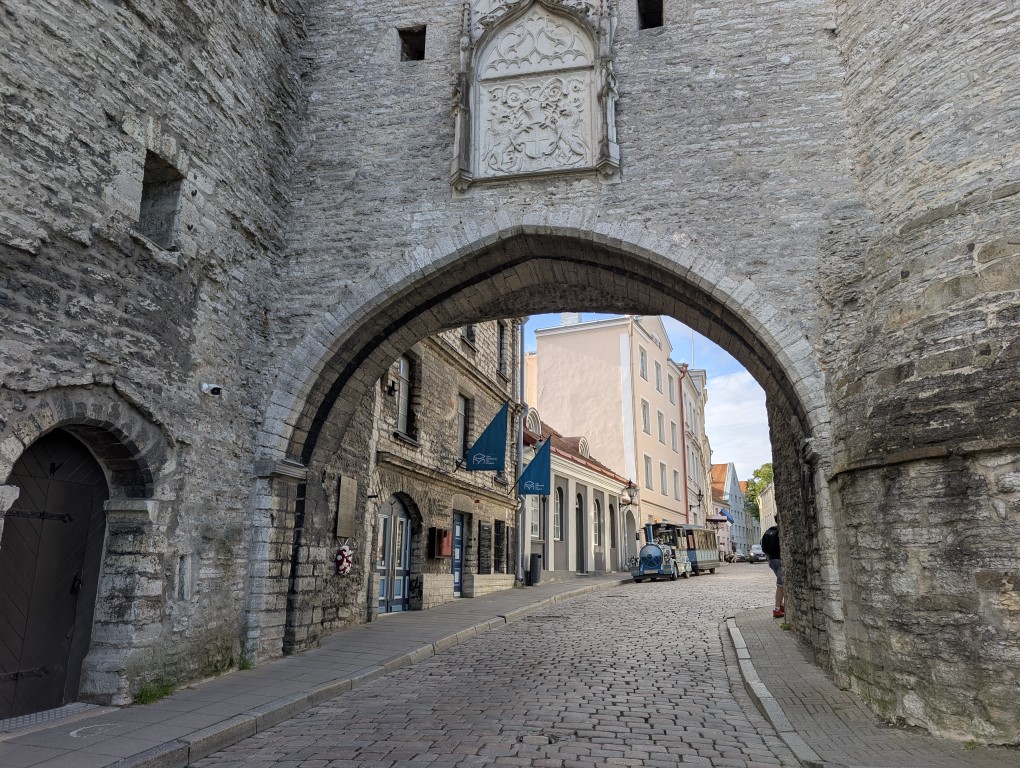
Arriving in Estonia felt like any other ferry port and we drove direct to Tallin as the sun was setting. Tallin is the real showpiece city of Estonia. Throughout Europe really, we never have an issue finding a place to park up for the night and Tallin provides a nice lot right in the city. The following day, we spent the whole day walking all over. It has beautiful old buildings, flowers billowing out of pots everywhere, pretty walkways on the old city walls and a quiet vibe. Jon picked out a perfect restaurant for lunch and it was fun to have a really nice meal since sometimes when we eat out it’s disappointing.
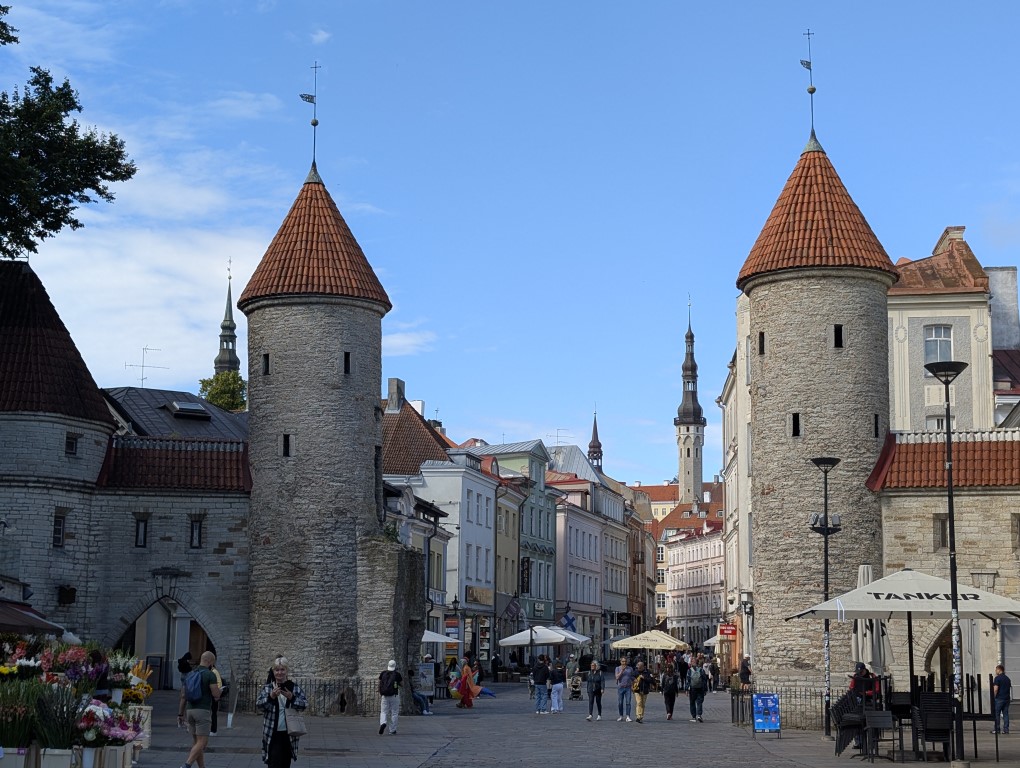
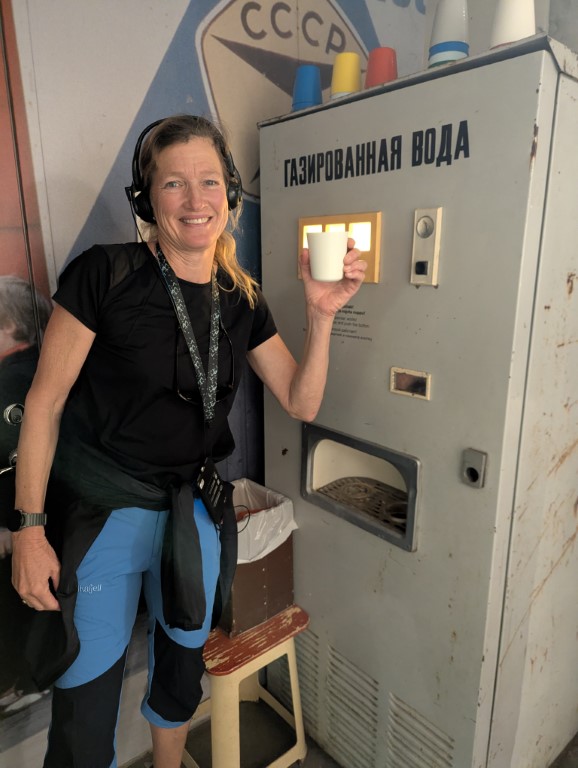
The following day, we set out early to walk the parks for exerice and then went in to the Vabamu Museum of Occupations and Freedom for a look into the complex and frankly near incomprehensible history of Estonia and it’s neighboring Latvia & Lithuania. European history is one long conflict after another but even the relatively recent history of Estonia is shocking. They were invaded & occupied by the Soviets in 1940 and violence began, then invaded again in 1941 by Hitler who inflicted mass murders on Jews and anyone else in his way for 3 years until the end of WWII. Then the Soviets re-invaded in 1944 throwing the country into a dark cloud decades long. They finally became independent in 1991 when the Sovier Union fell. In the museum they know you’ll get stressed out from the content so they have an old Soviet water cooler that dispenses flat or still to your liking and it still works!
The museum also explained about what it was like in 1991when Soviet rule ended. The only way of life anyone had known for decades or ever known was now completely changed- they were free! But they were also suddenly faced with a decision of what to do next when there really was no framework to do it. Where do go when suddenly you are free to go anywhere? And what do you do with your life? The museum left us stirred up to say the least.
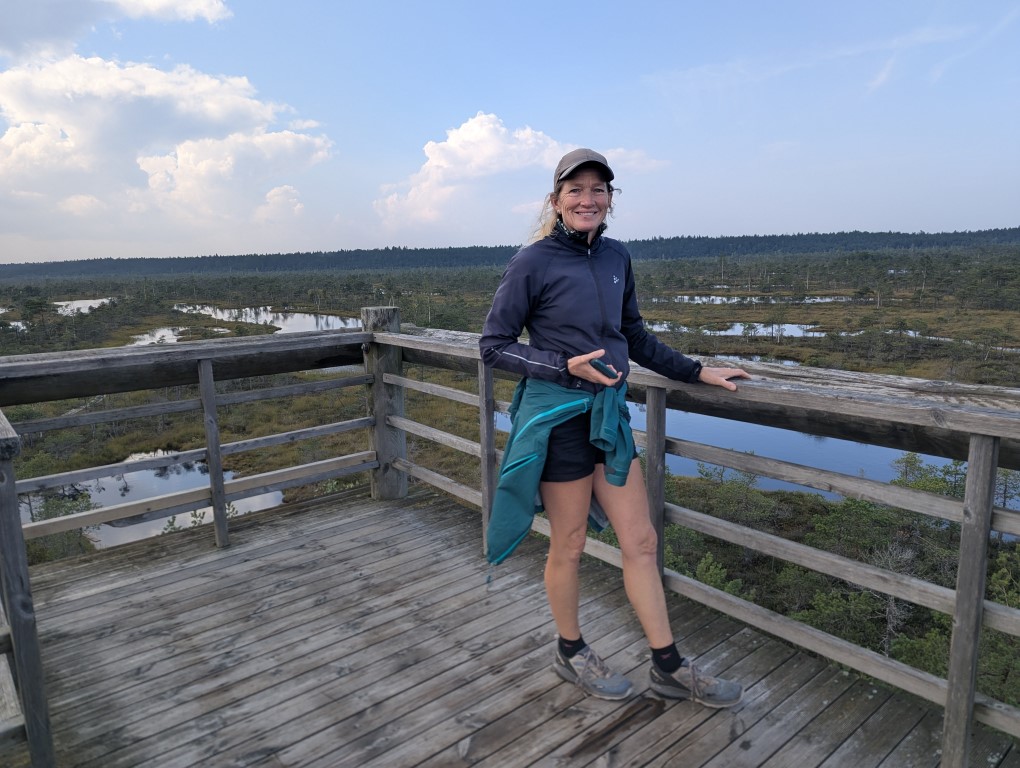
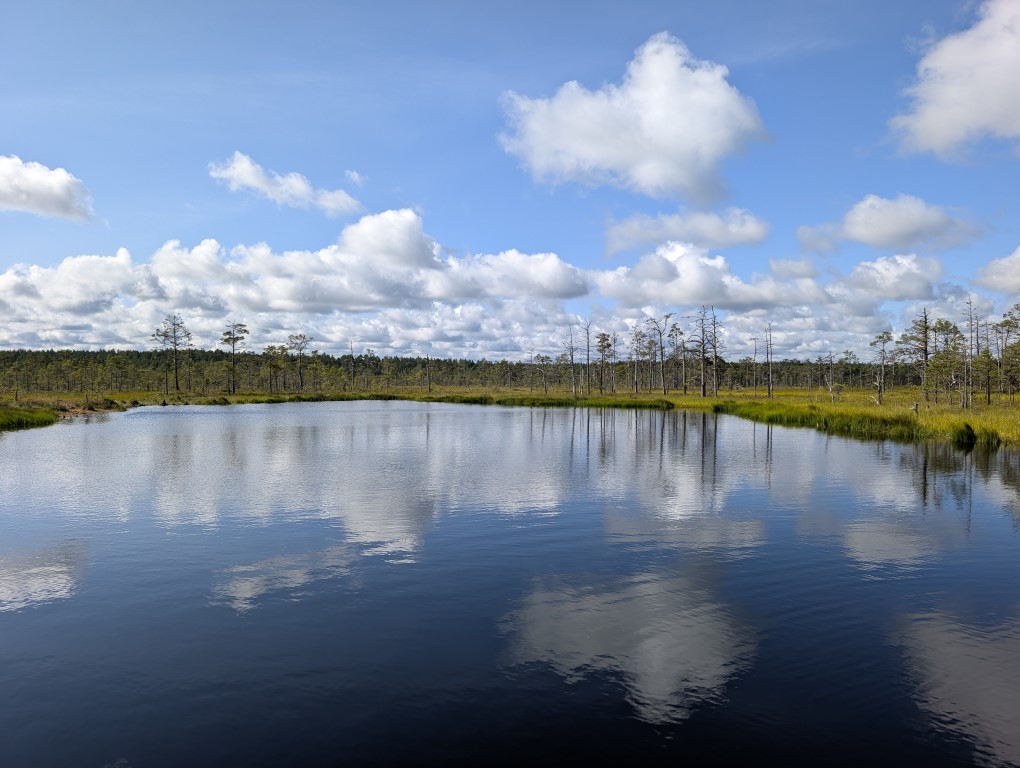
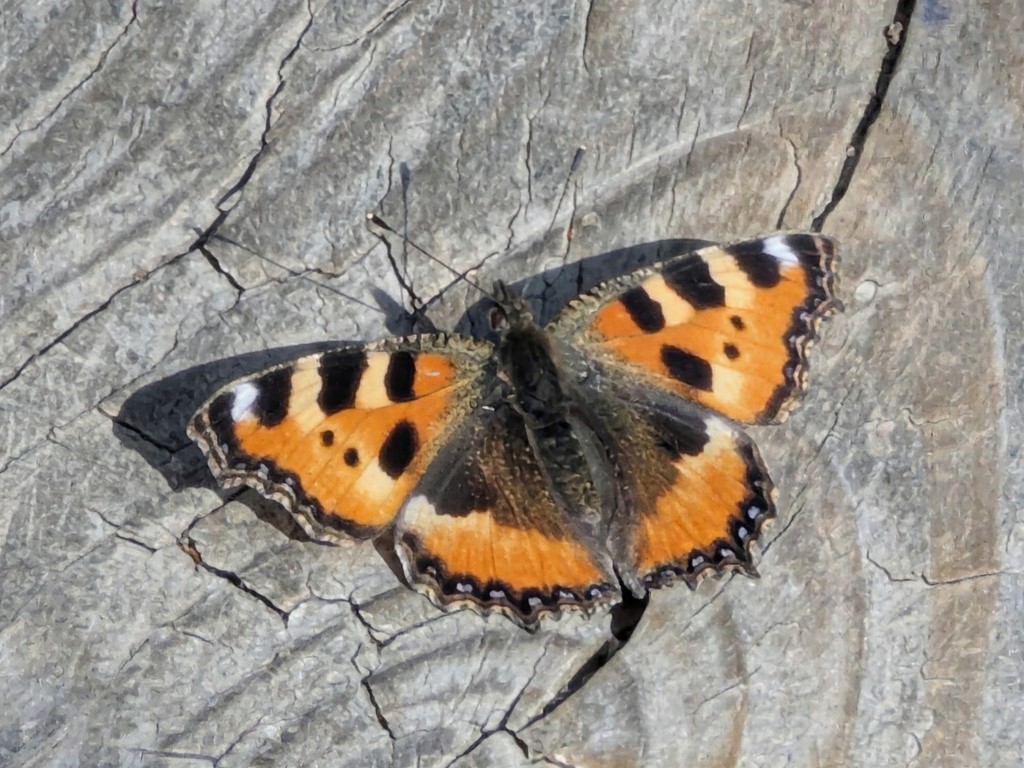
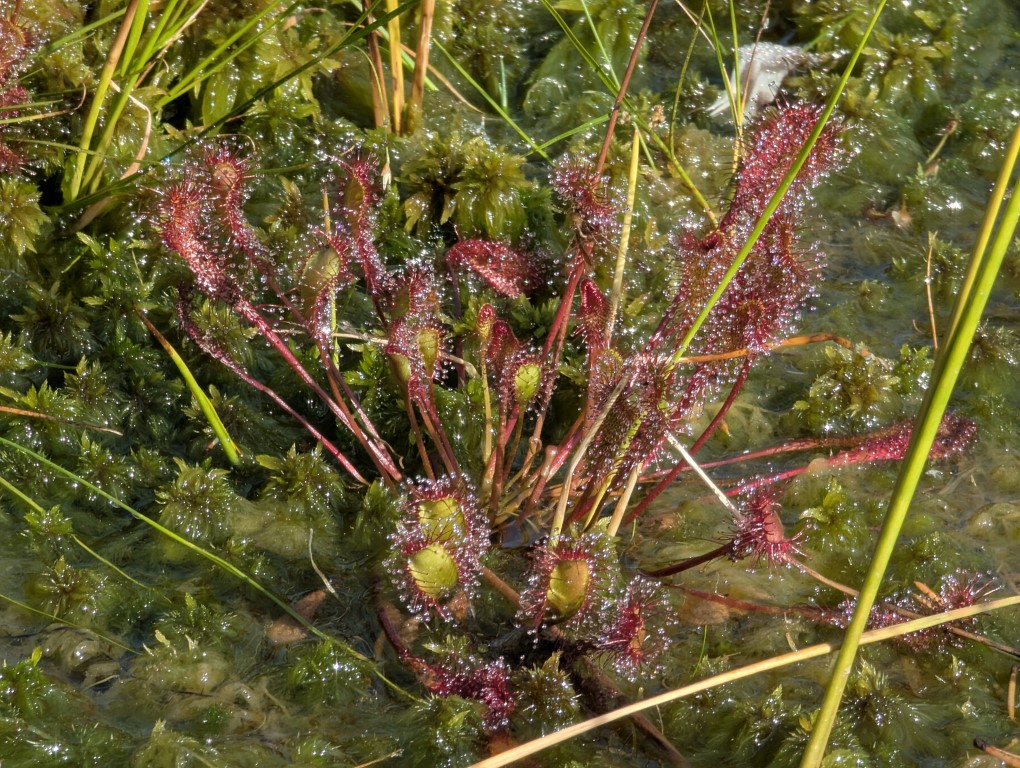
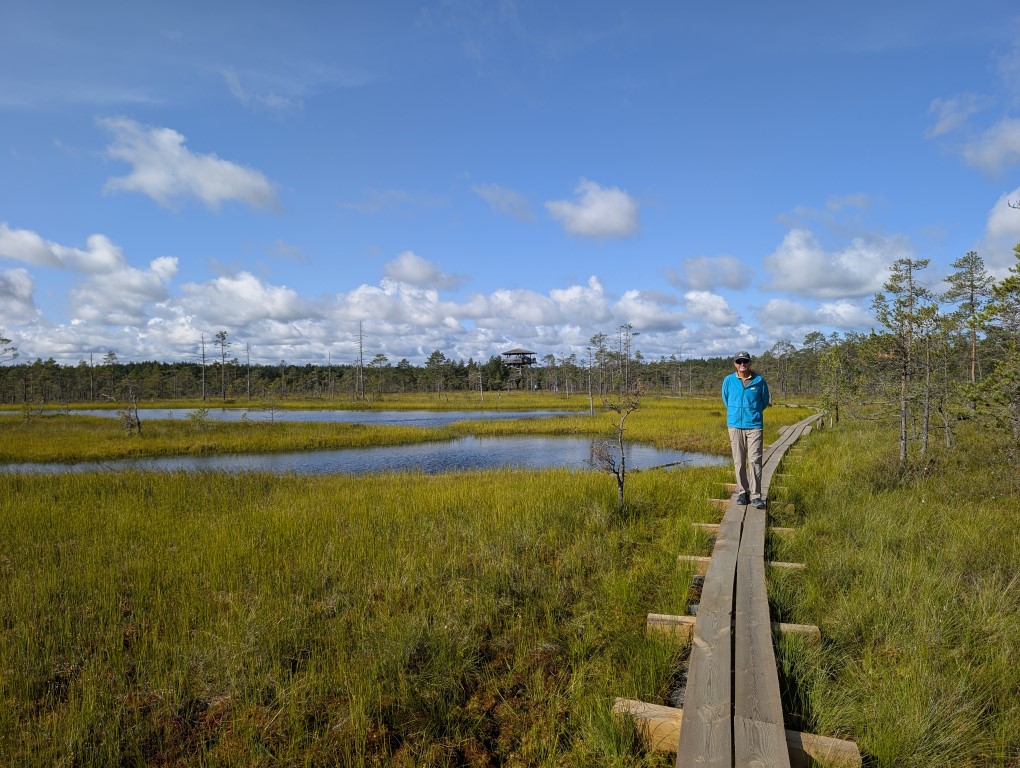
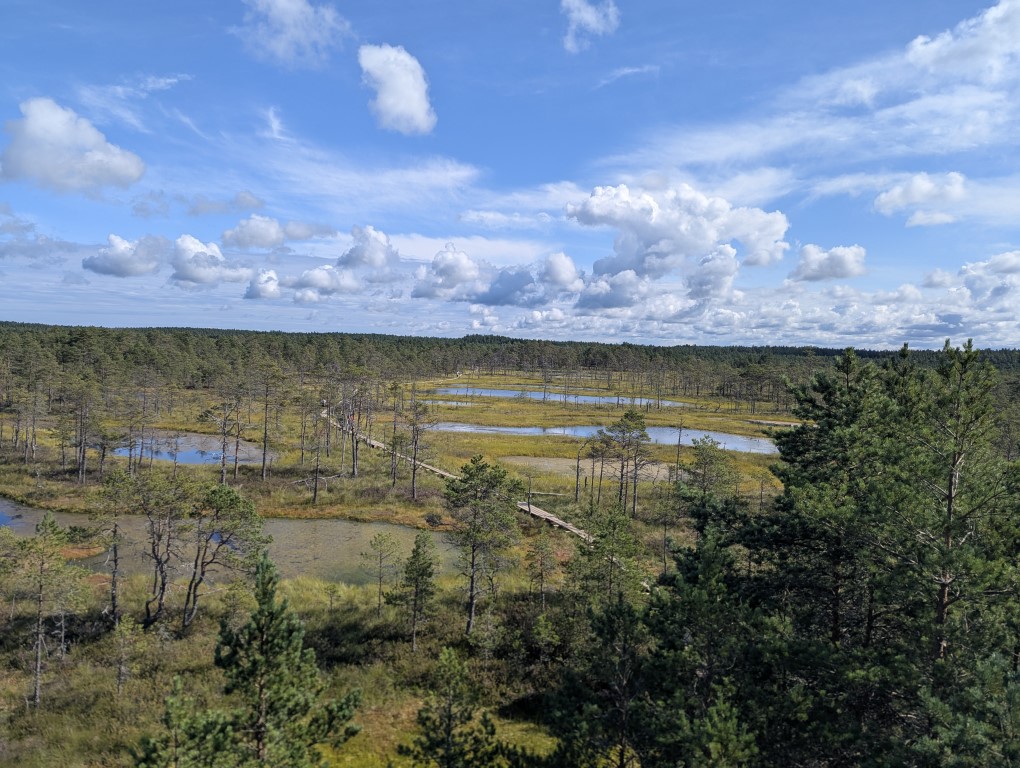
We headed off eastward to a park where they had a lovely bog walk boardwalk. I thought we’d left the bogs behind in Ireland but they have plenty here too. They’re really well cared for and well used.
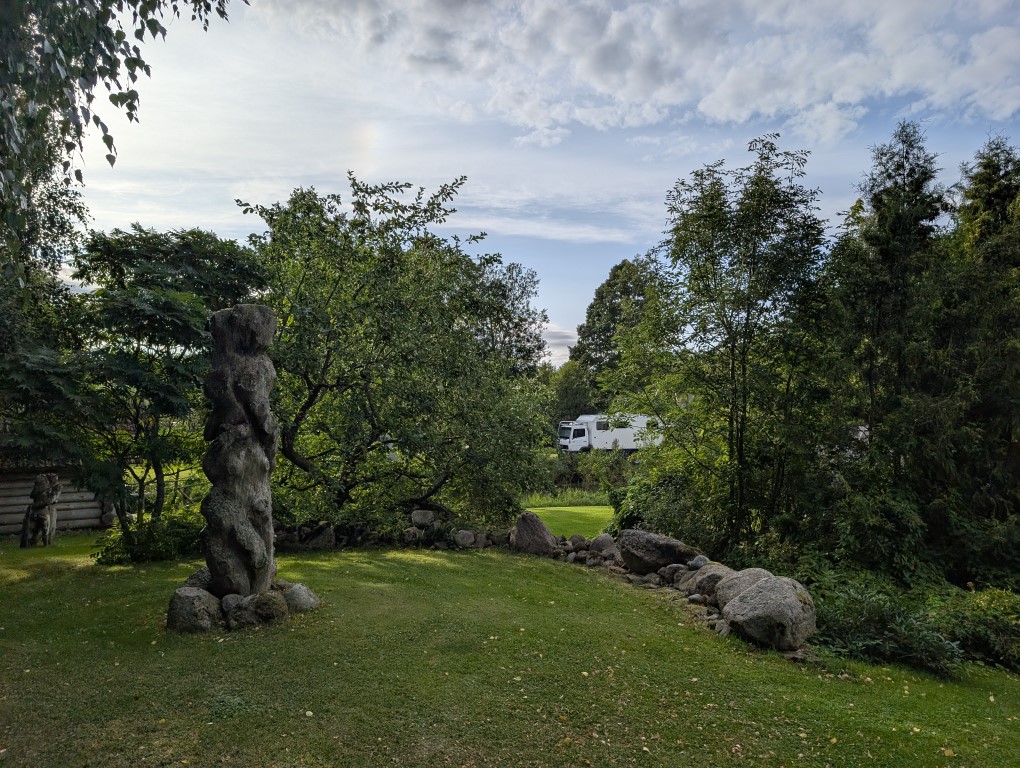
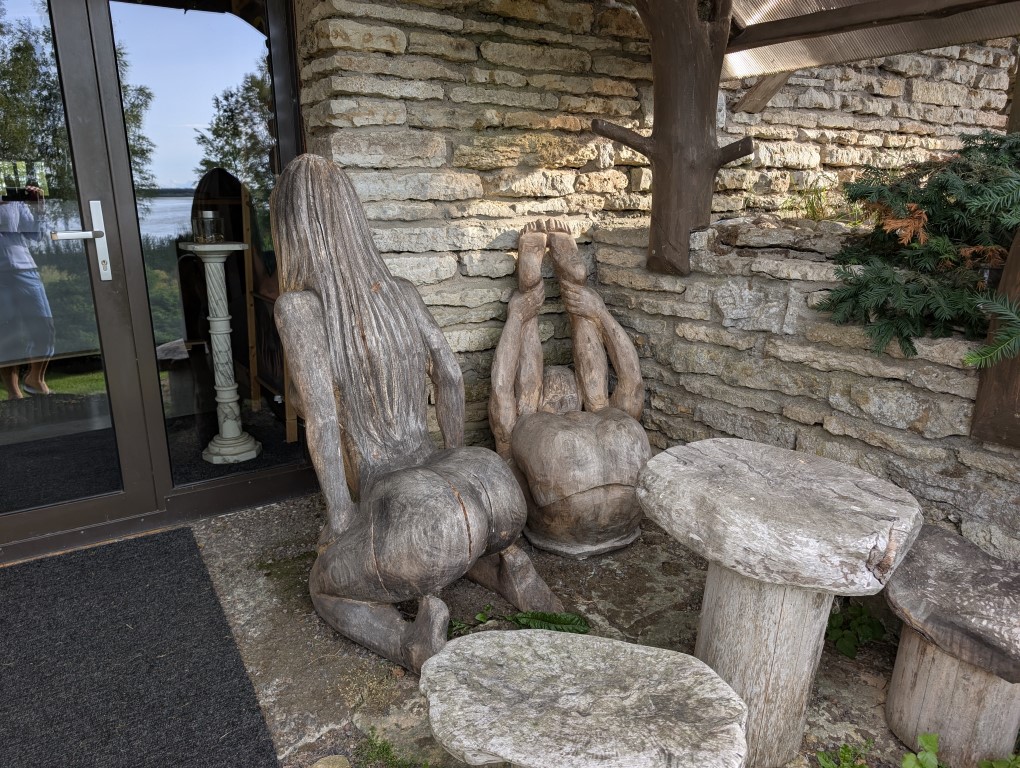
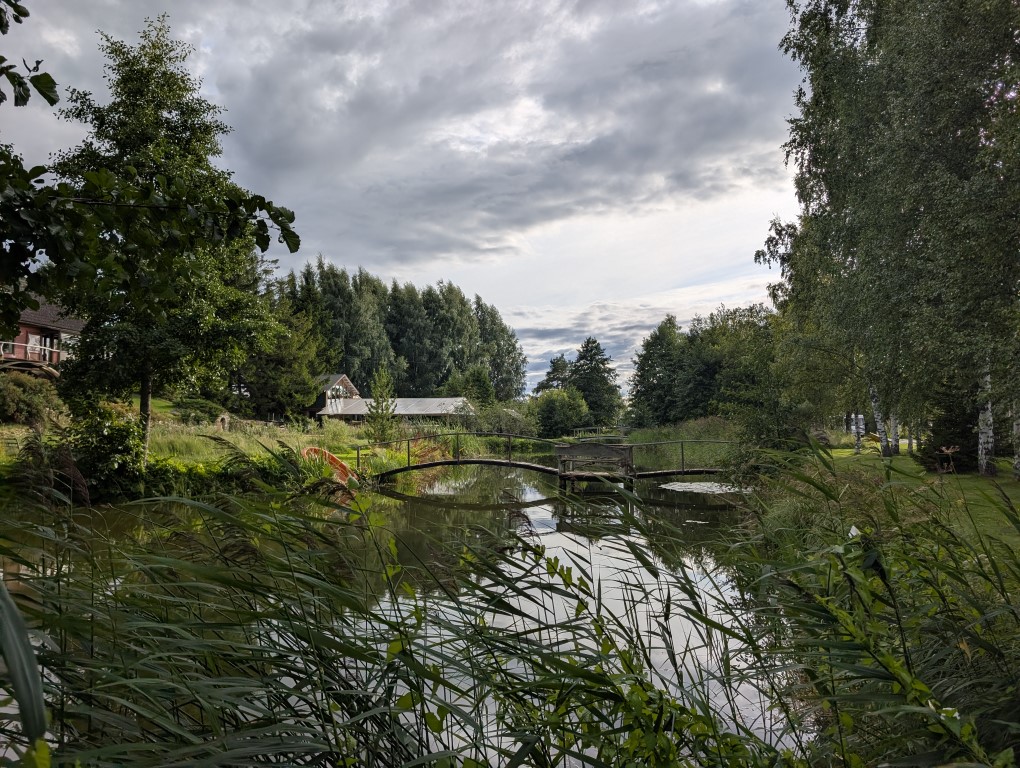
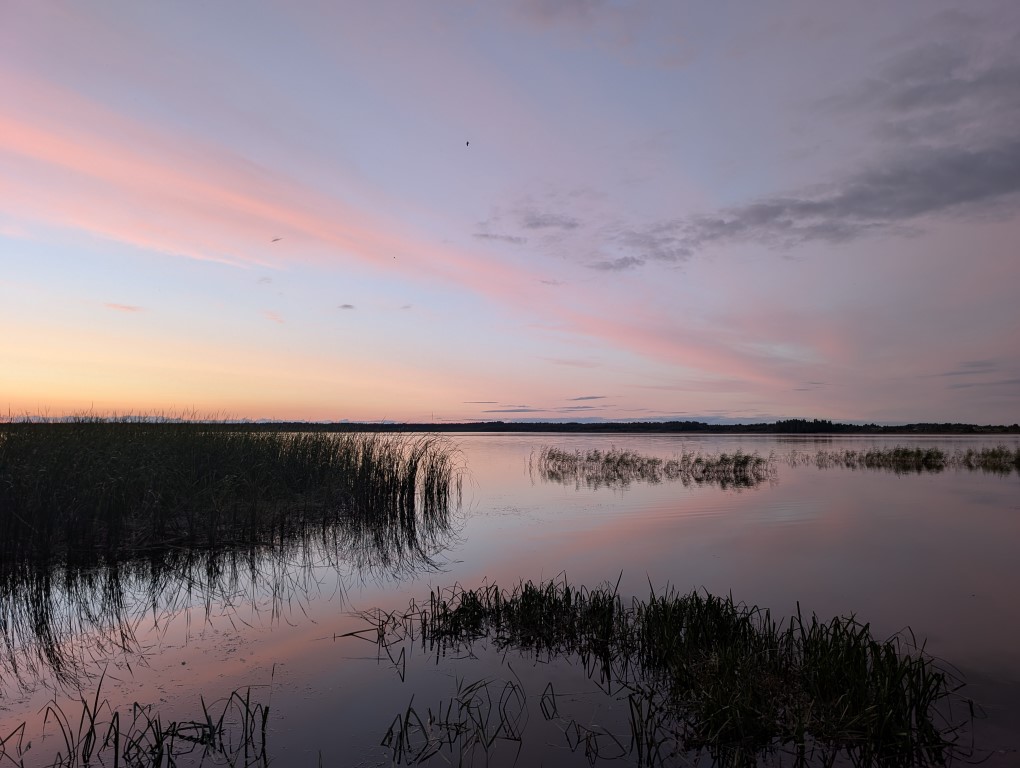
We stopped overnight at a beautiful campground on a lake. The Estonian guy that owned it was an artist both with wood and paintings but also with the grounds. His choice of art topic was a bit unusual though!!
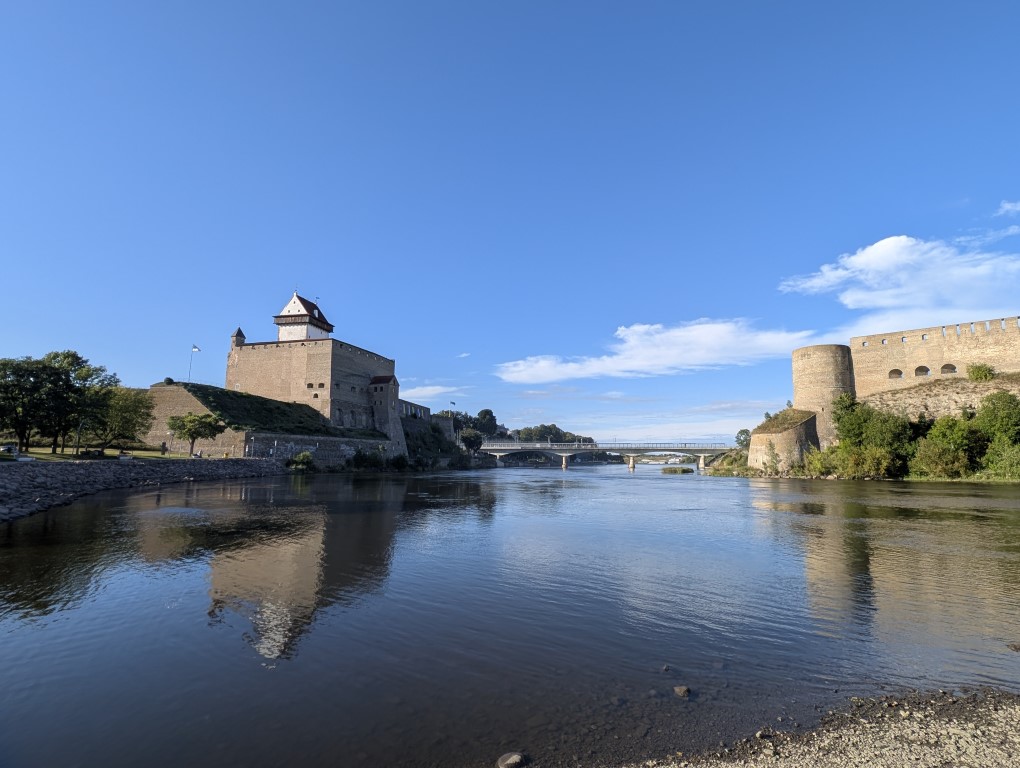
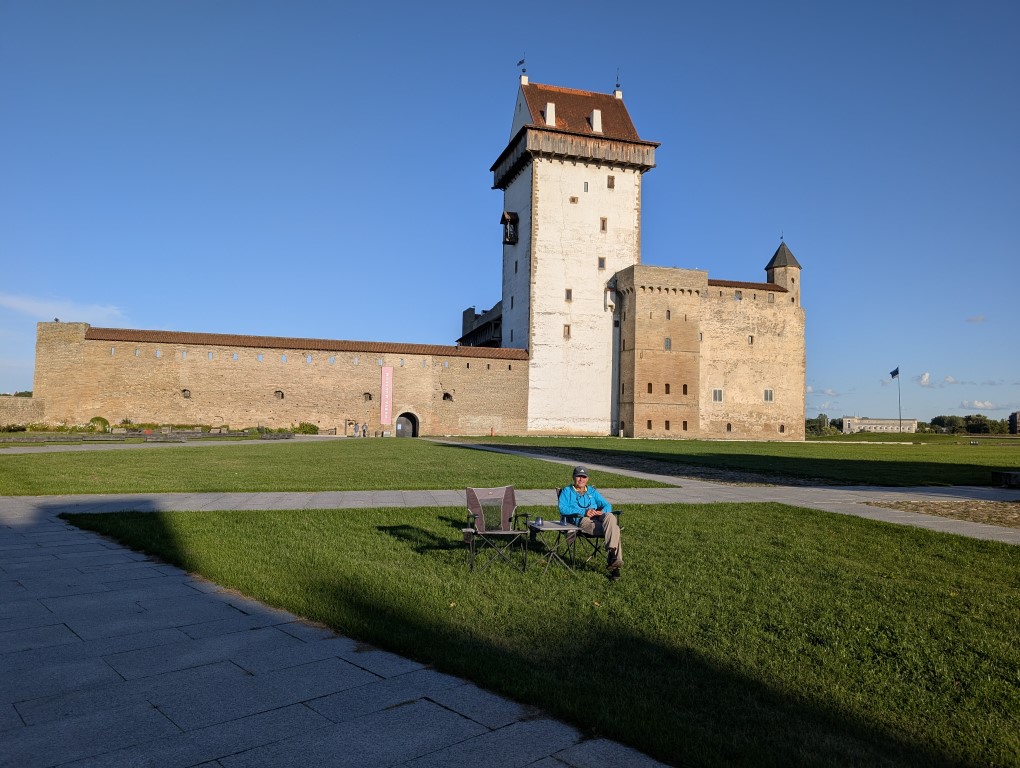
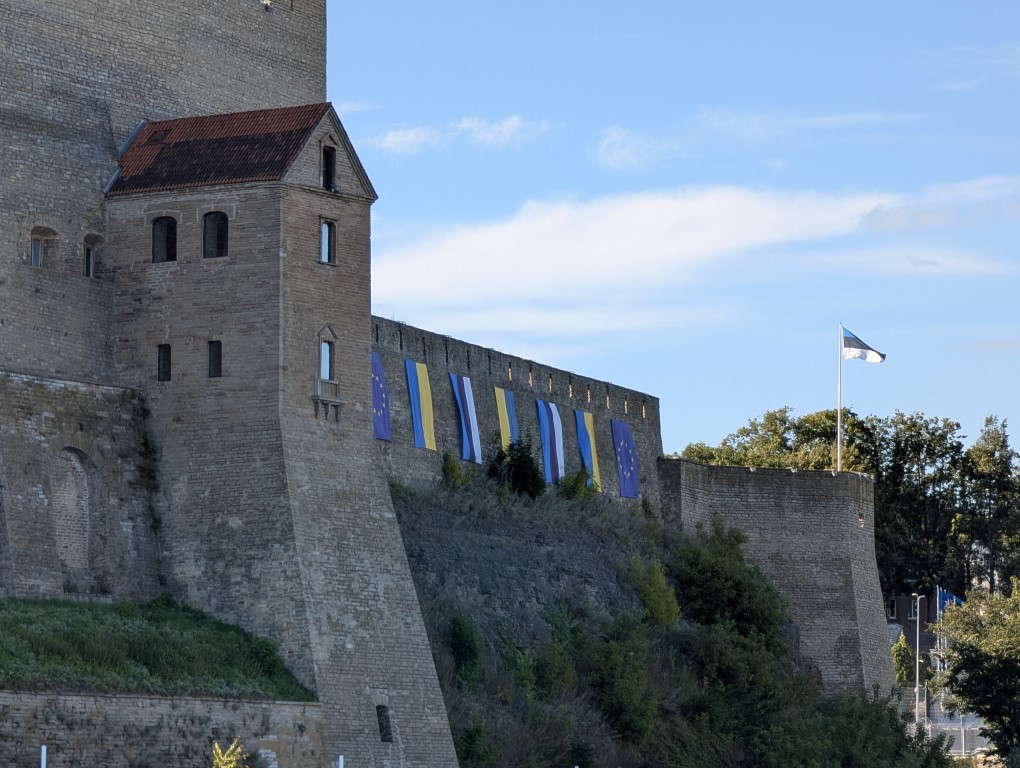
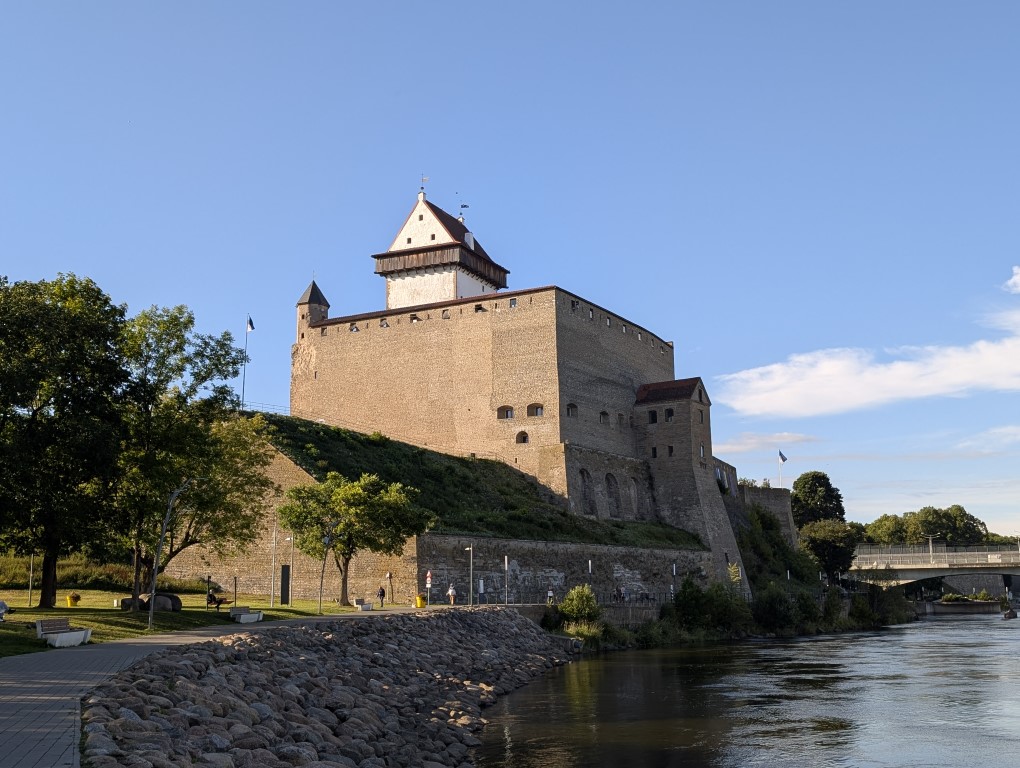
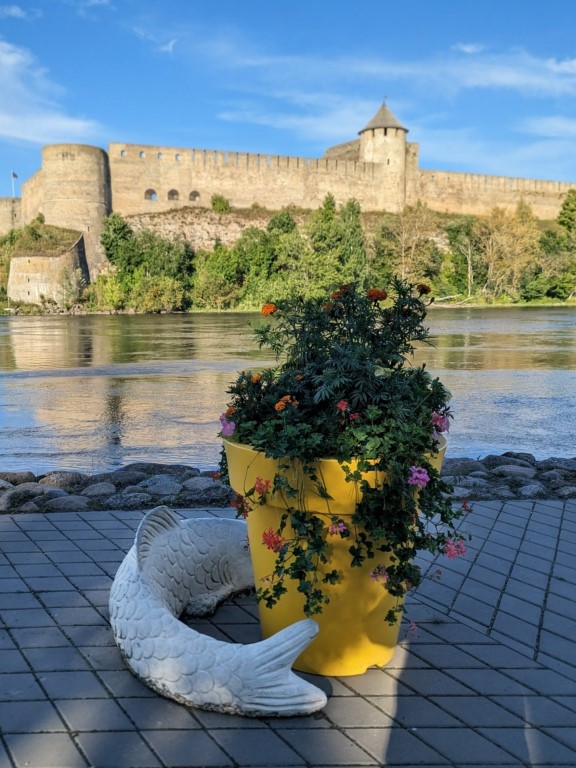
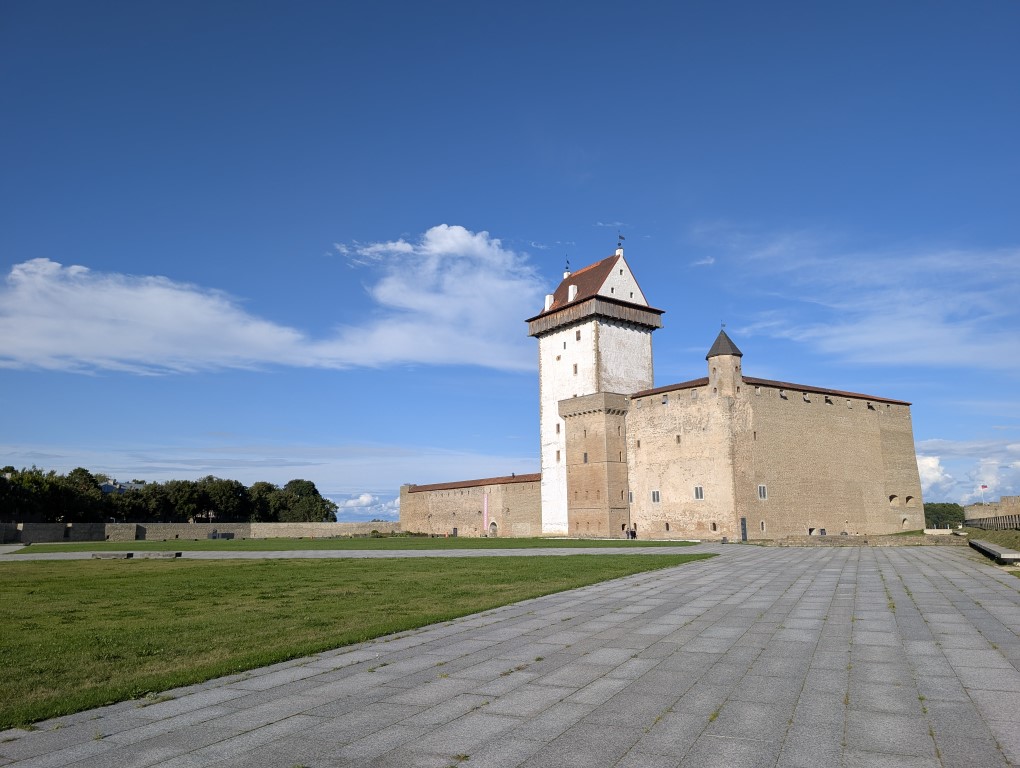
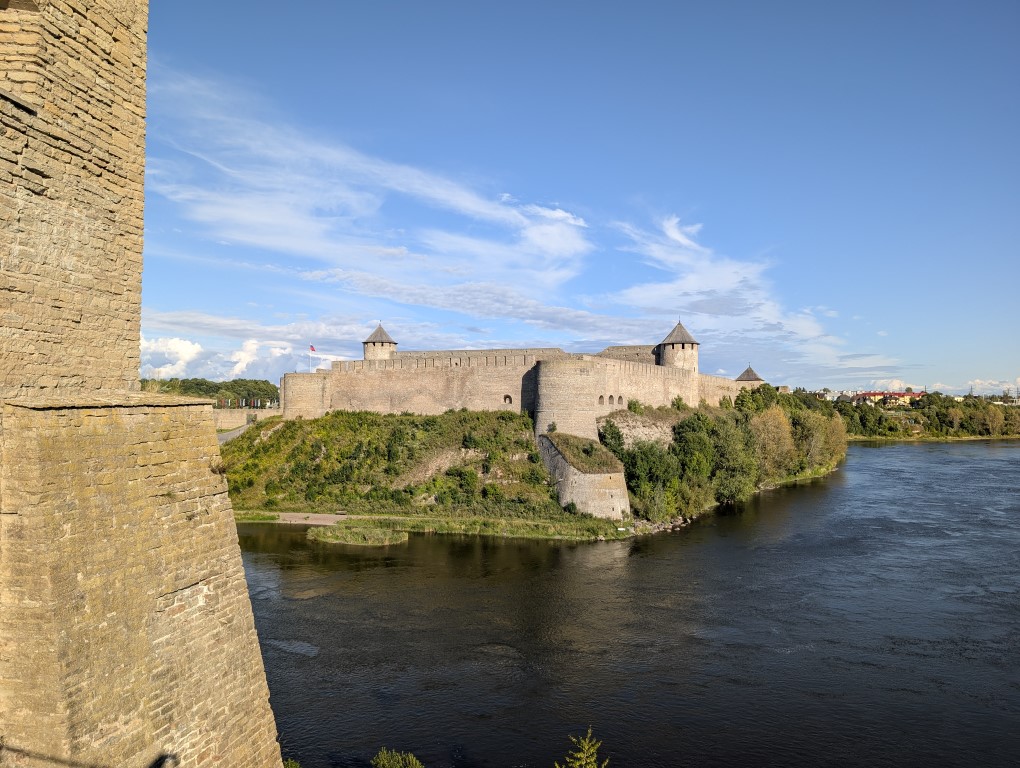
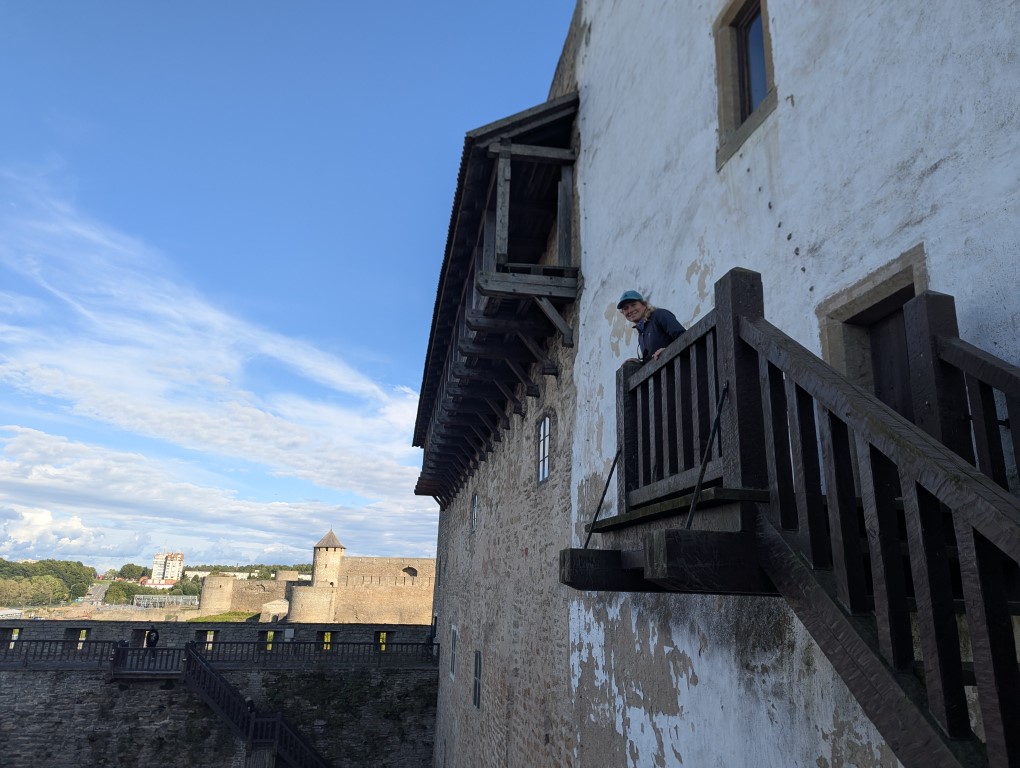
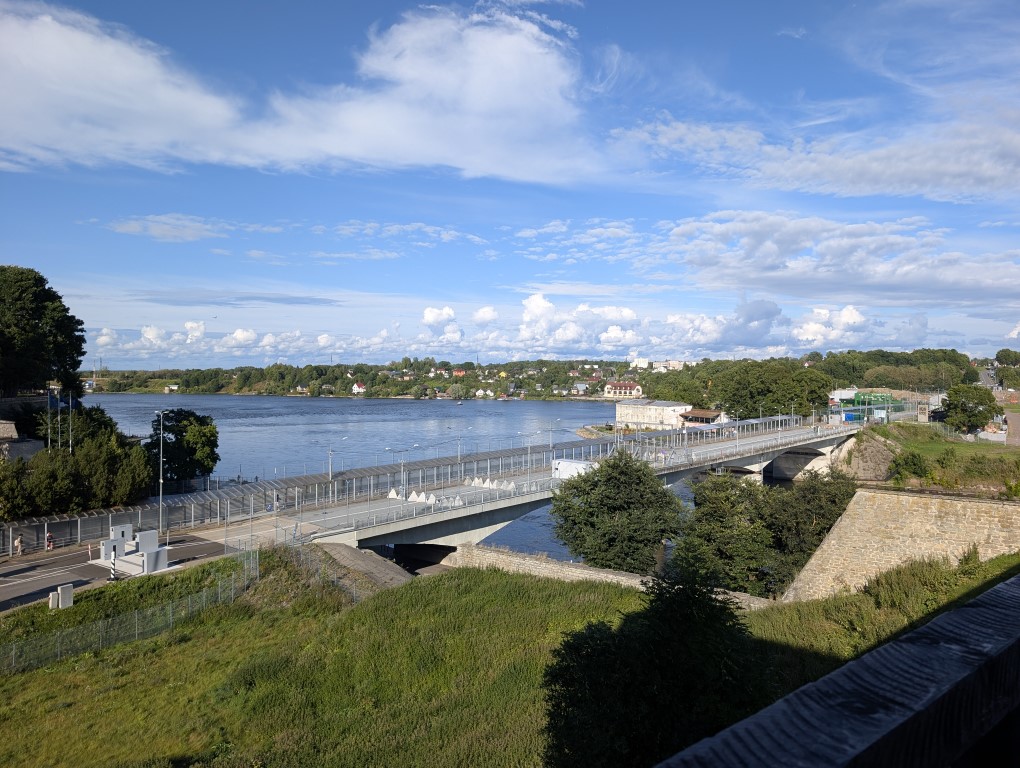
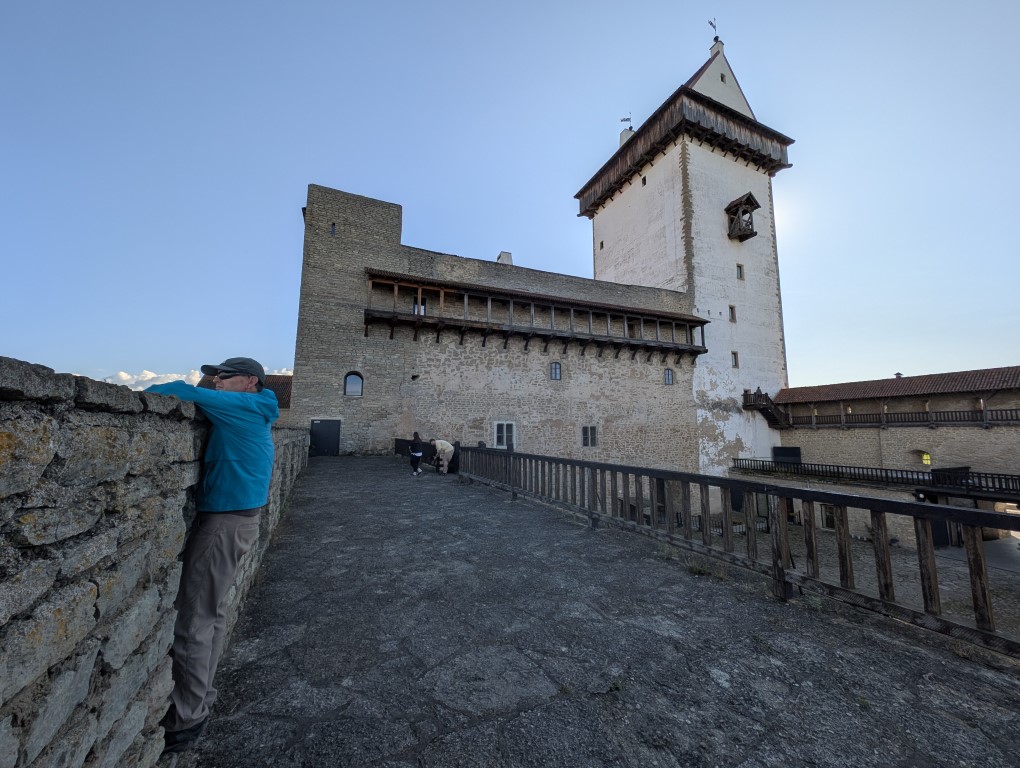
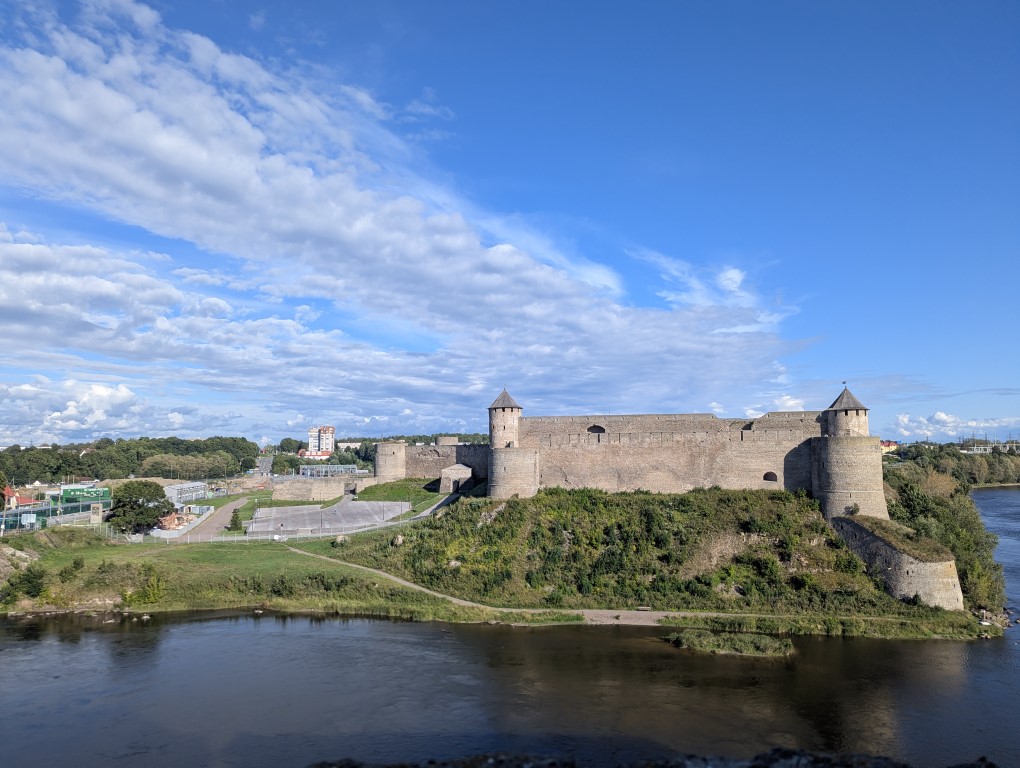
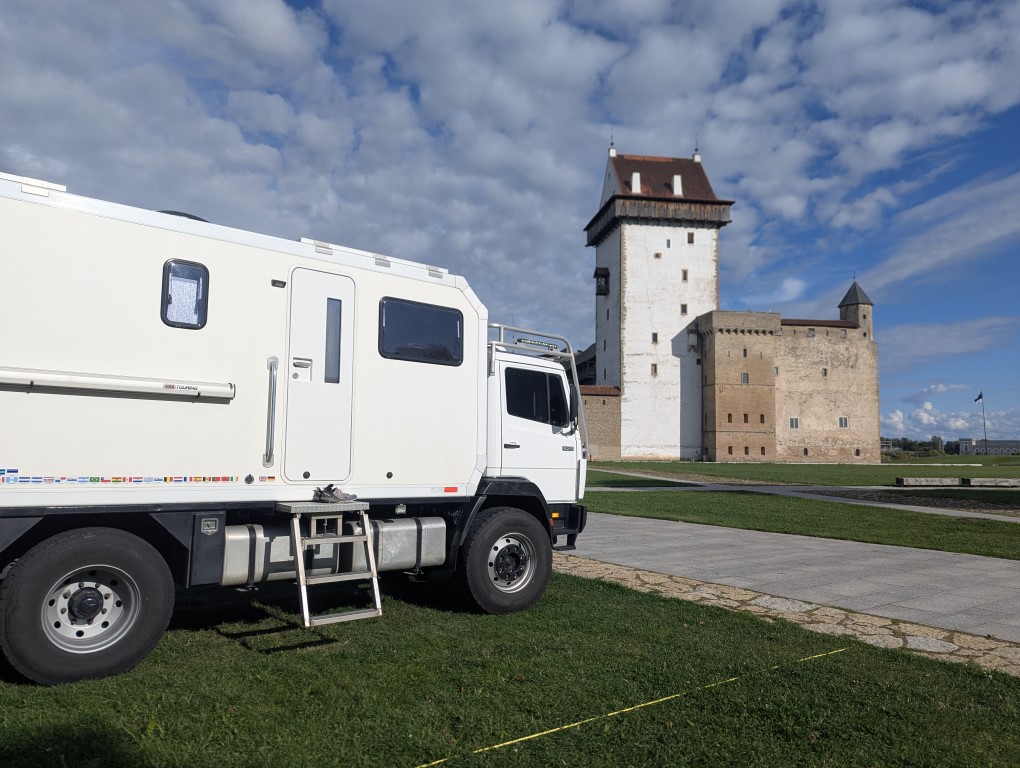
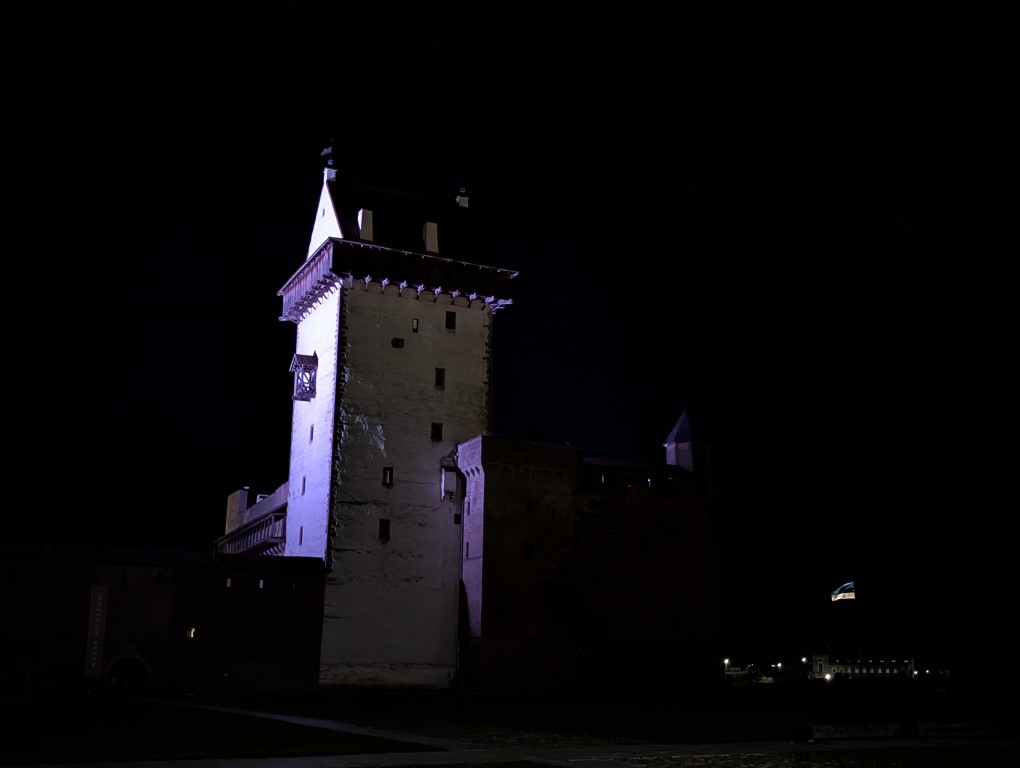
I read about a castle in the town of Narva where you could camp inside the walls. The castle was right across a small river from Russia, who had a castle directly opposite. It was pretty cool to park in there and tour the grounds, climb up on the castle walls and look over to the other side. We pondered what it was like to be Estonian or Russian. There were nice paths along the river on our side. The border is closed, pedestrian only for locals. 90% of the people who live in Narva speak Russian. Coincidentally, Estonia’s Independence day marking 35 years of freedom was the following day so there was a concert stage going up with huge speakers. So because they were testing the sound, the whole time we were walking around they were playing Pink Floyd Comfortably Numb and it was reverberating throughout the area. I don’t think I will ever hear that song again and not remember where I was when I last heard it and what it felt like to be there. The flags on the castle wall facing Russia were the EU, Estonia and Ukraine. It’s complicated I guess. We sat out for happy hour looking at the castle walls, then later with just the lights on it through the darkness.
We departed the next morning after another walk around and headed to a few little towns and parks along the way to a longer hike we had planned inland. In truth, as far as infrastructure goes, we couldn’t tell the difference between these two countries and the rest of Europe. The roads are great, many of the stores the same, trails with perfect signage everywhere and a lot of effort going in to maintaining everything. But one thing we’ve definitely experienced all the time is the sidelong glance. It’s that look like you’re up to something, a look of suspiscion or just looking away altogether like you’re not even there. We try to make people crack a smile but often fail. A seriousness that eats at us. Maybe the scars of the past, who is to say. Anyway, we enjoy laughing and joking with people and sharing stories. It makes life much more interesting.
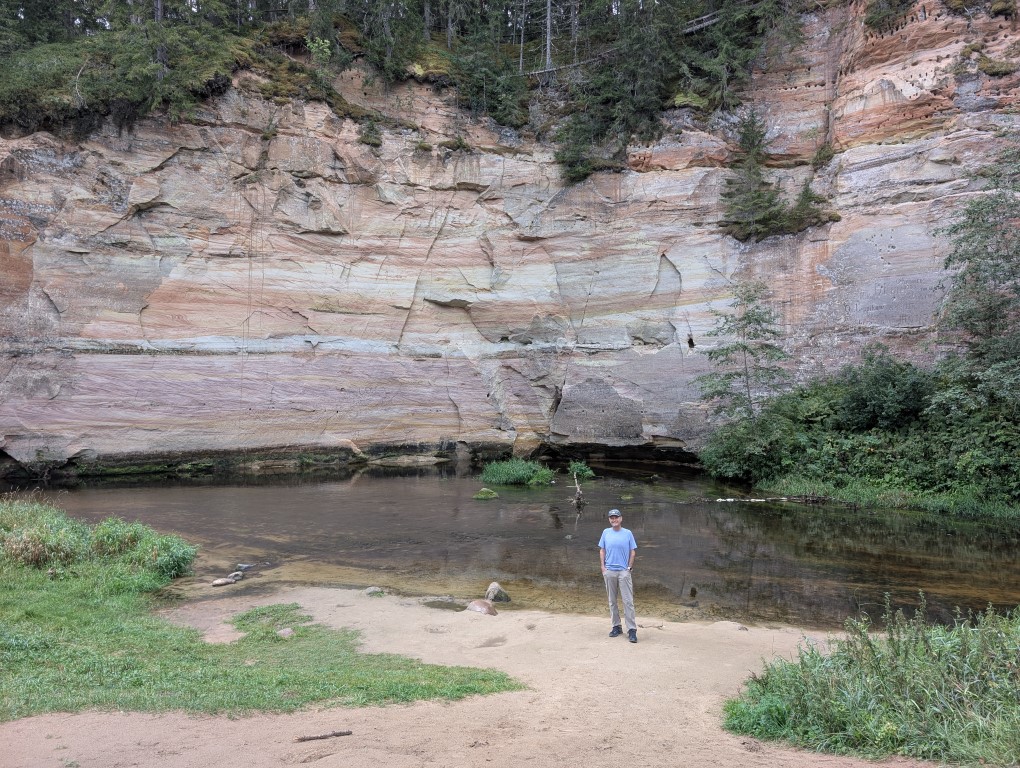
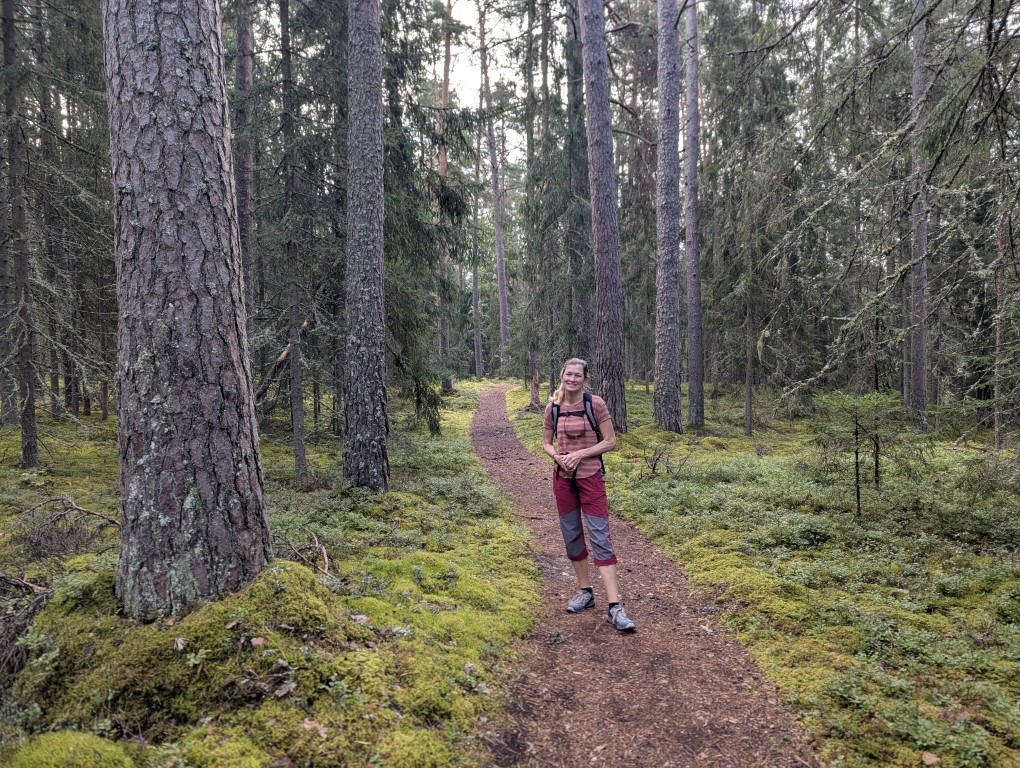
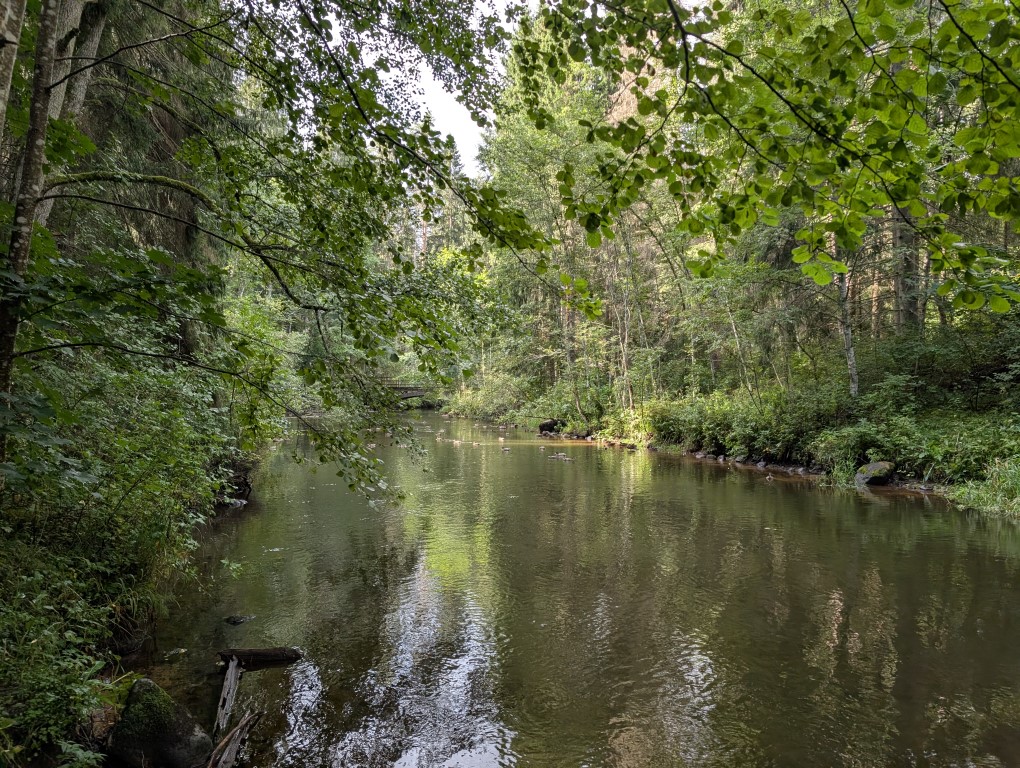
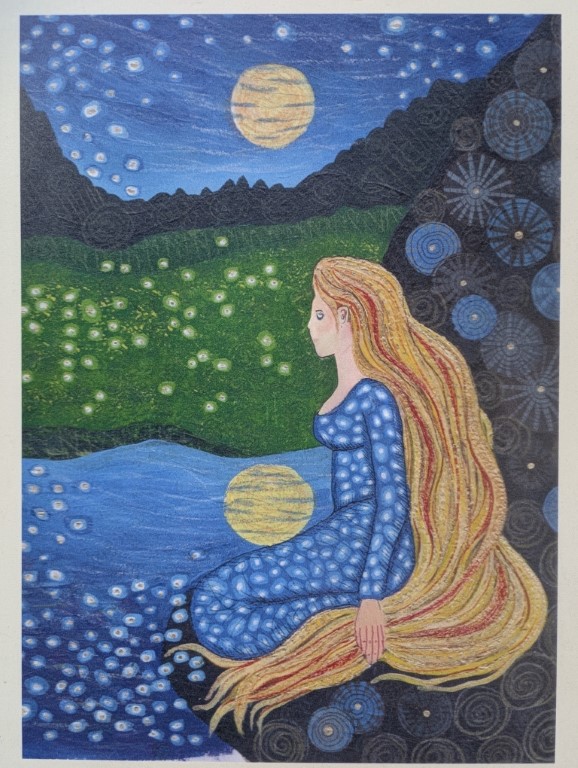
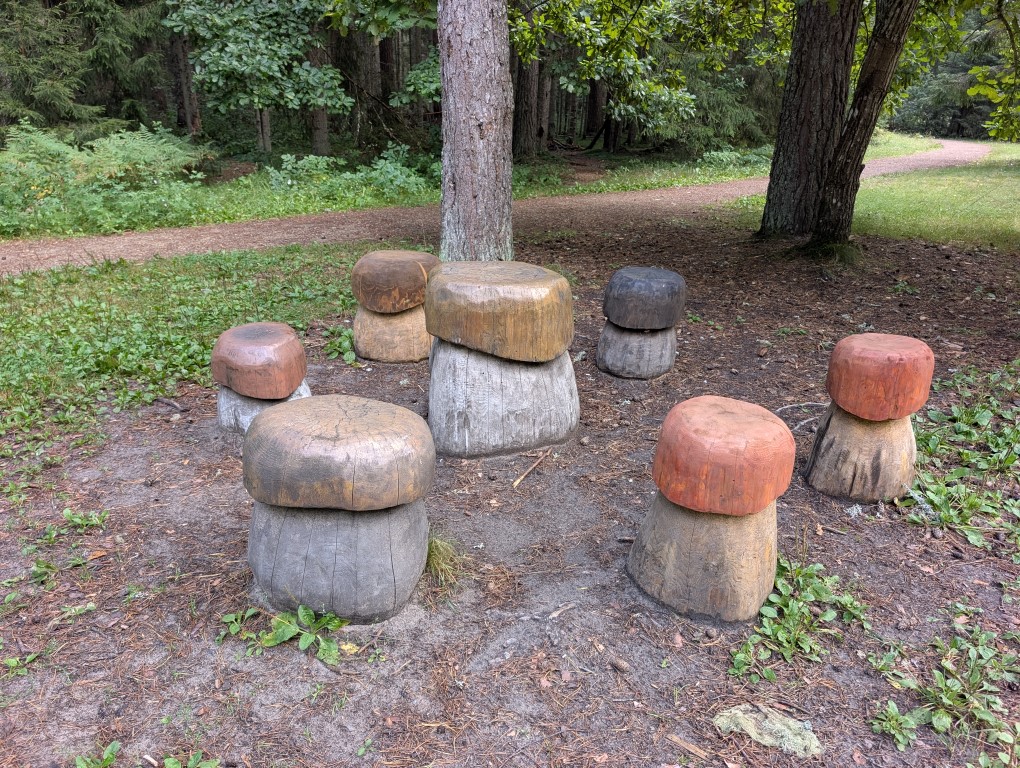
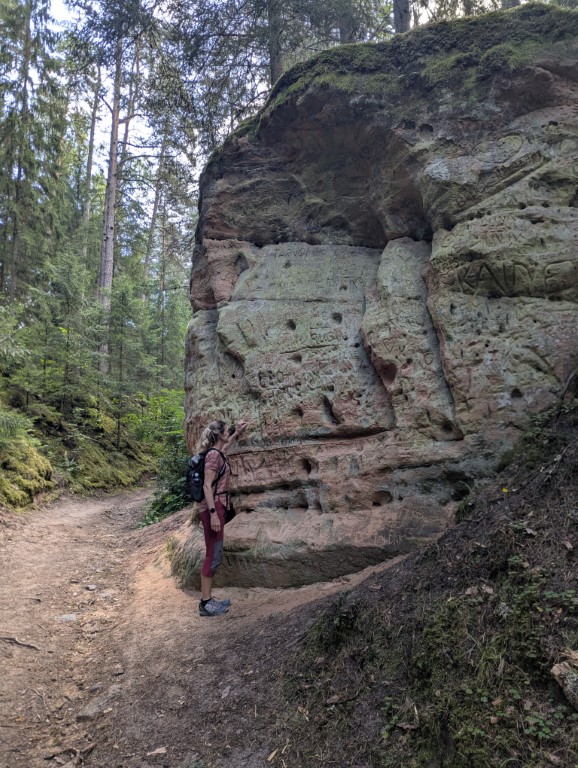
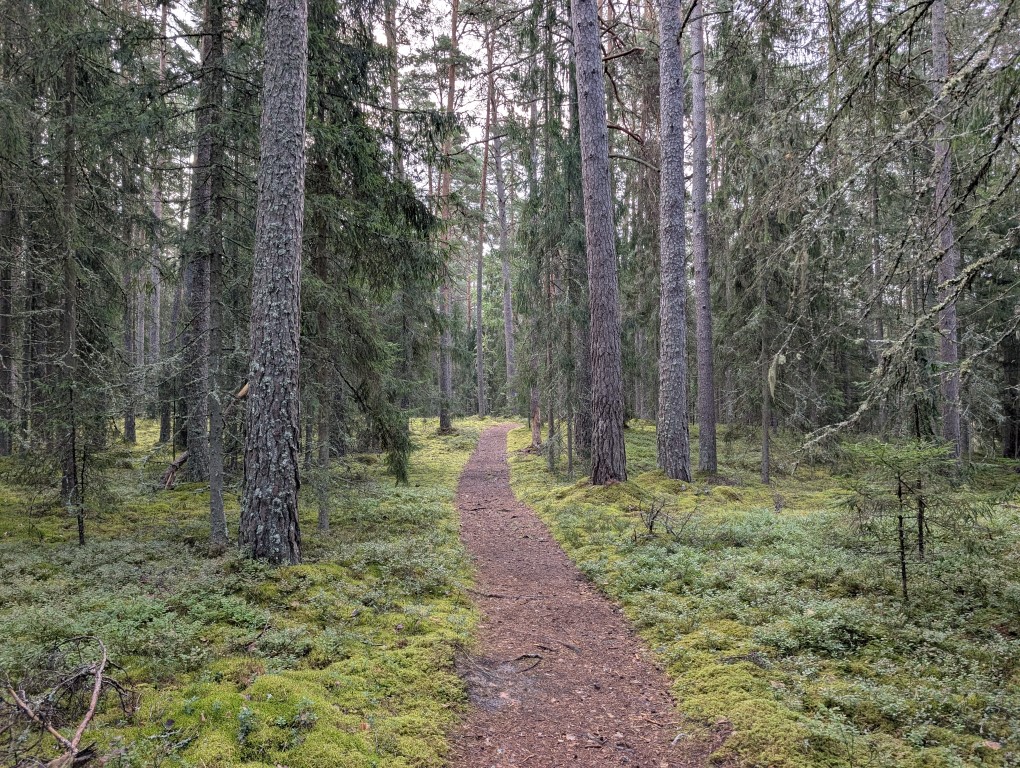
We headed south, staying fairly close to the border to a really pretty area of forest with a 20km wooded trail that followed a stream with sandstone cliff formations and a lot of artwork and info along the trail. We kind of made a day of it and it felt good to cover some miles. I’m kind of going through withdrawals from no more mountains. It’s really flat here! As we walked through the trees I thought about all the things they’ve witnessed, living longer than most people do.
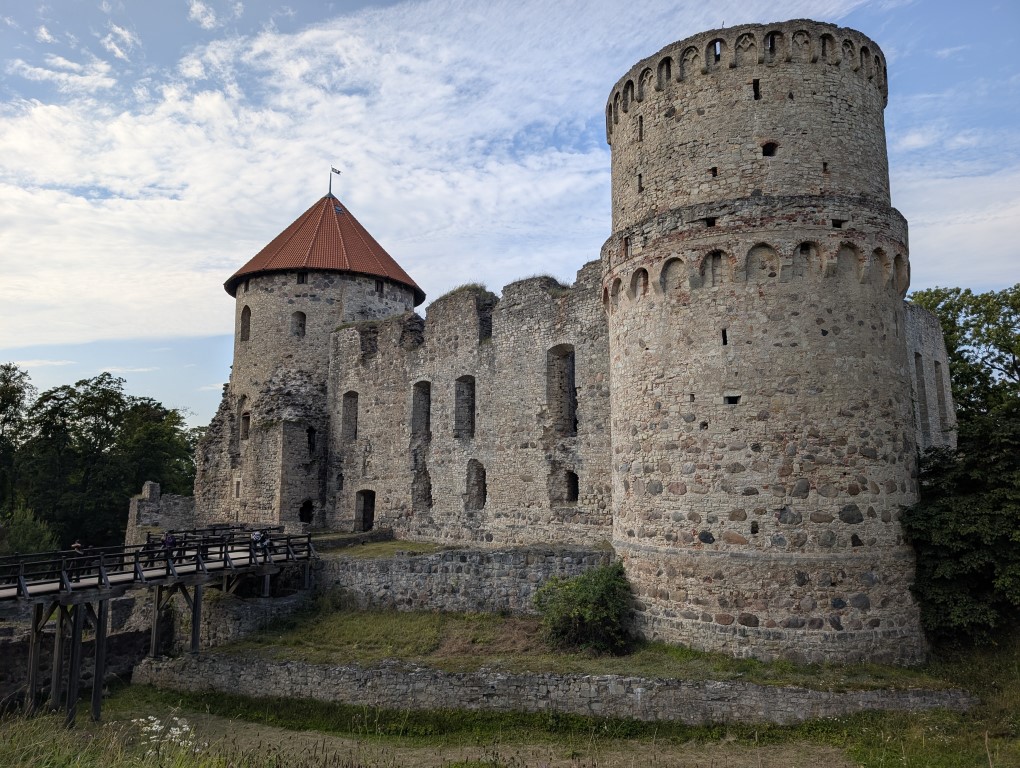
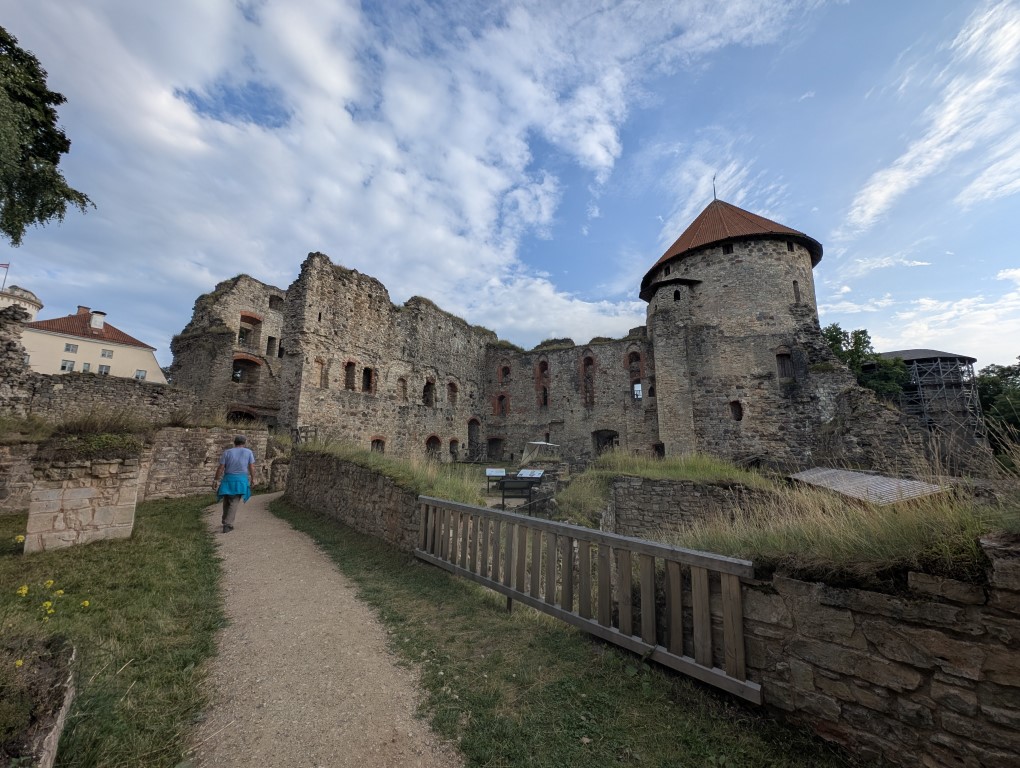
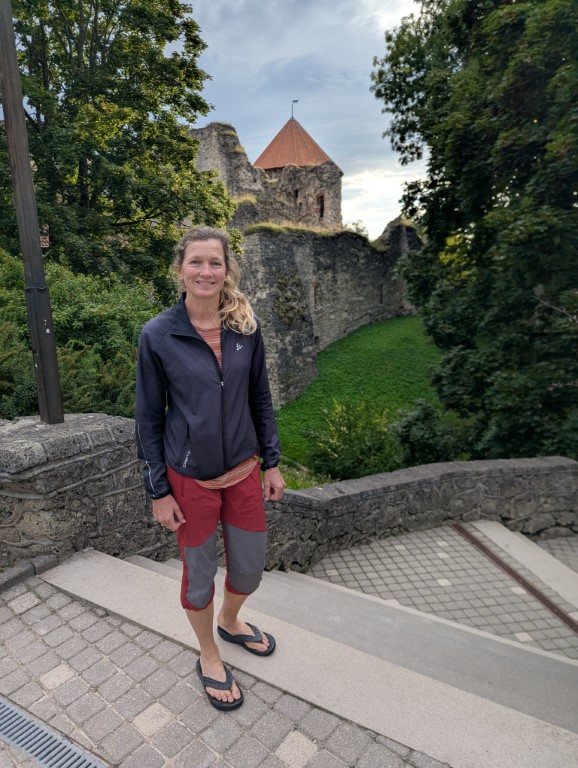
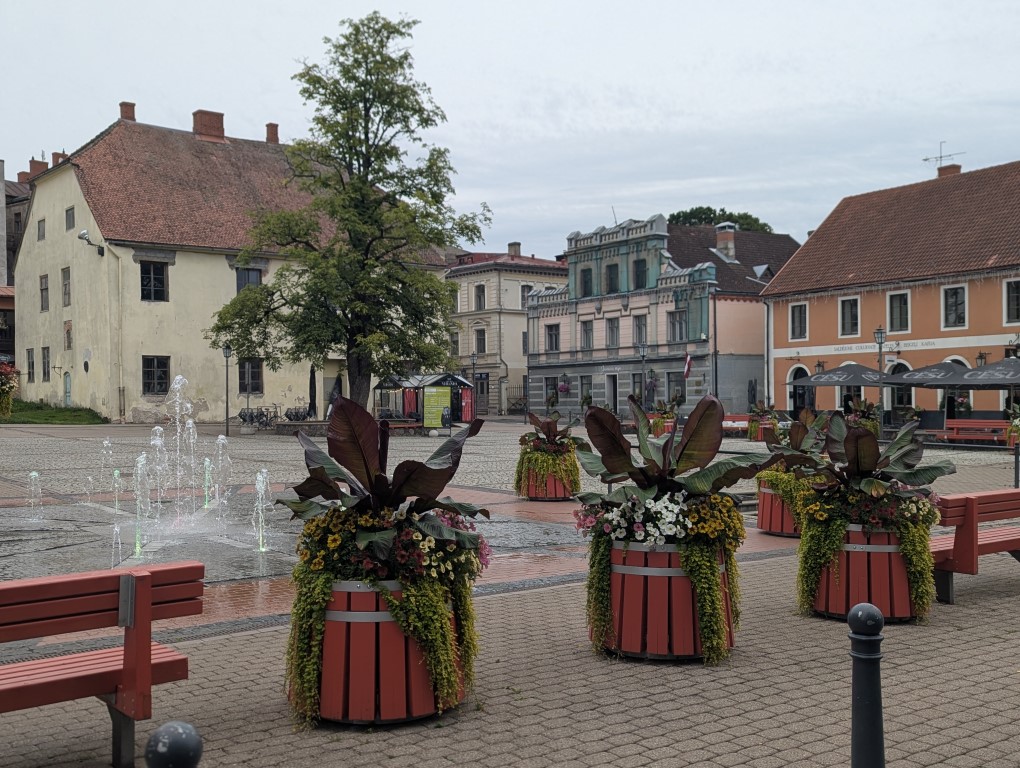
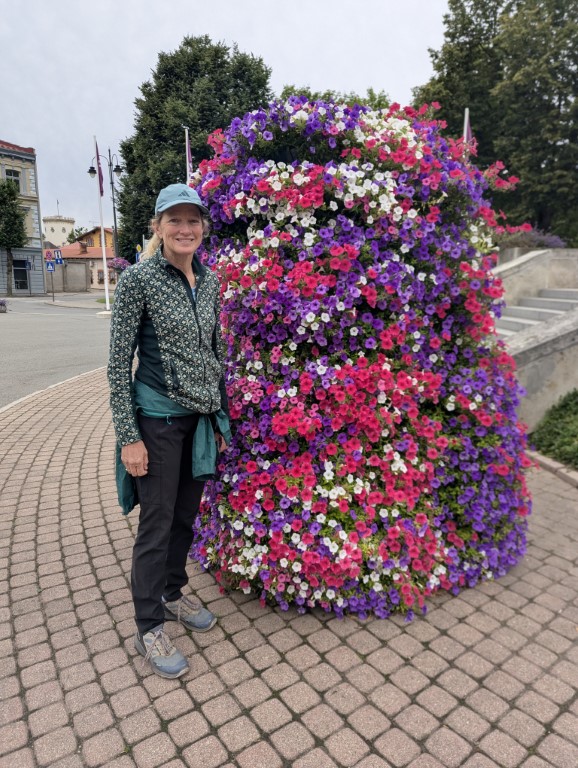
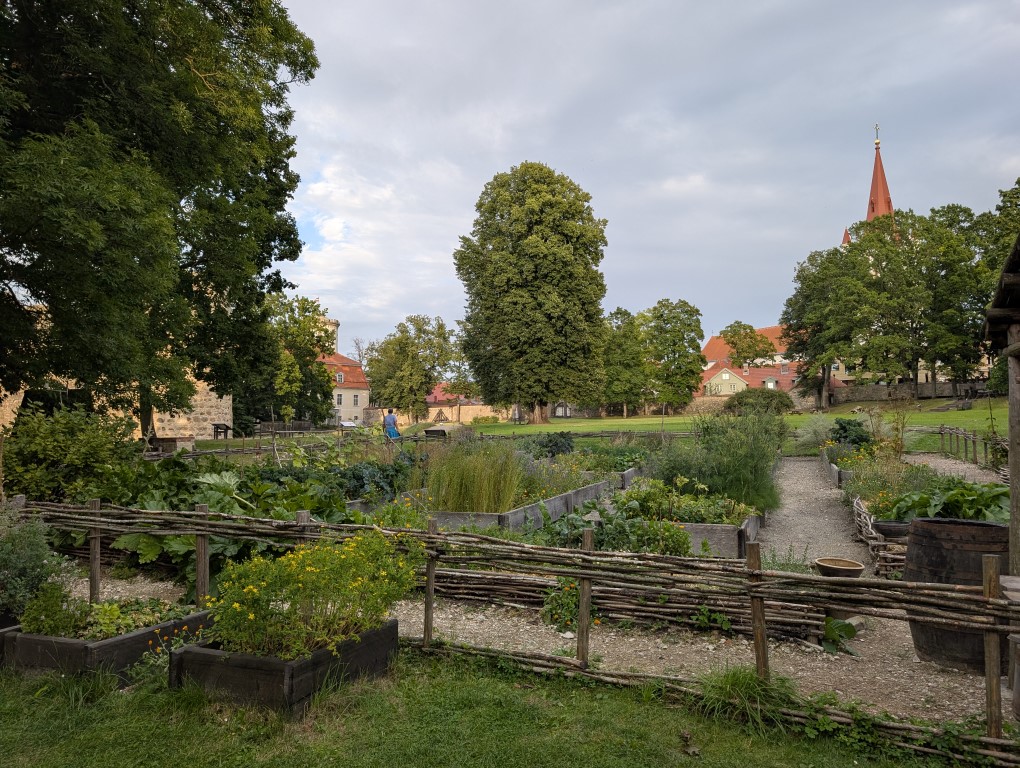
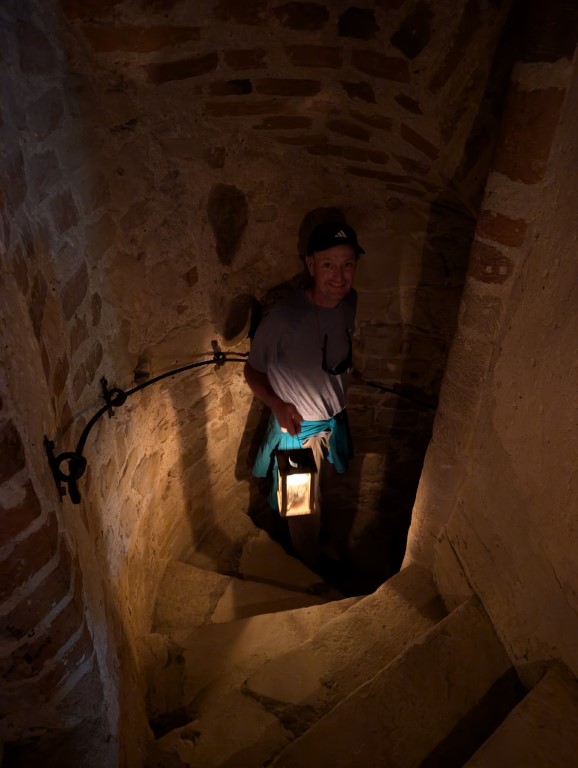
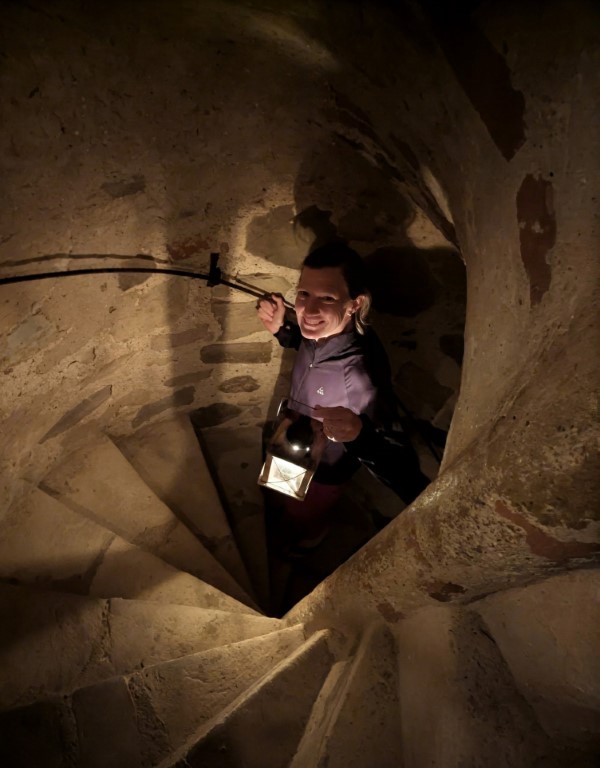
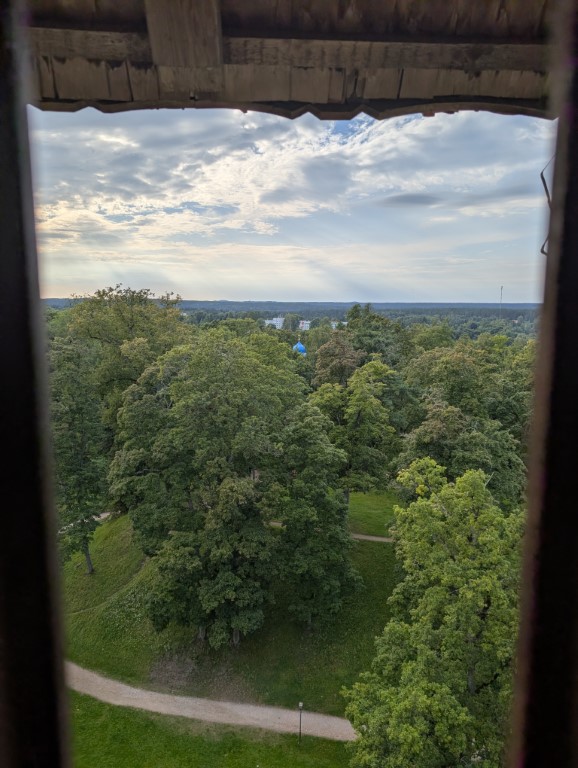
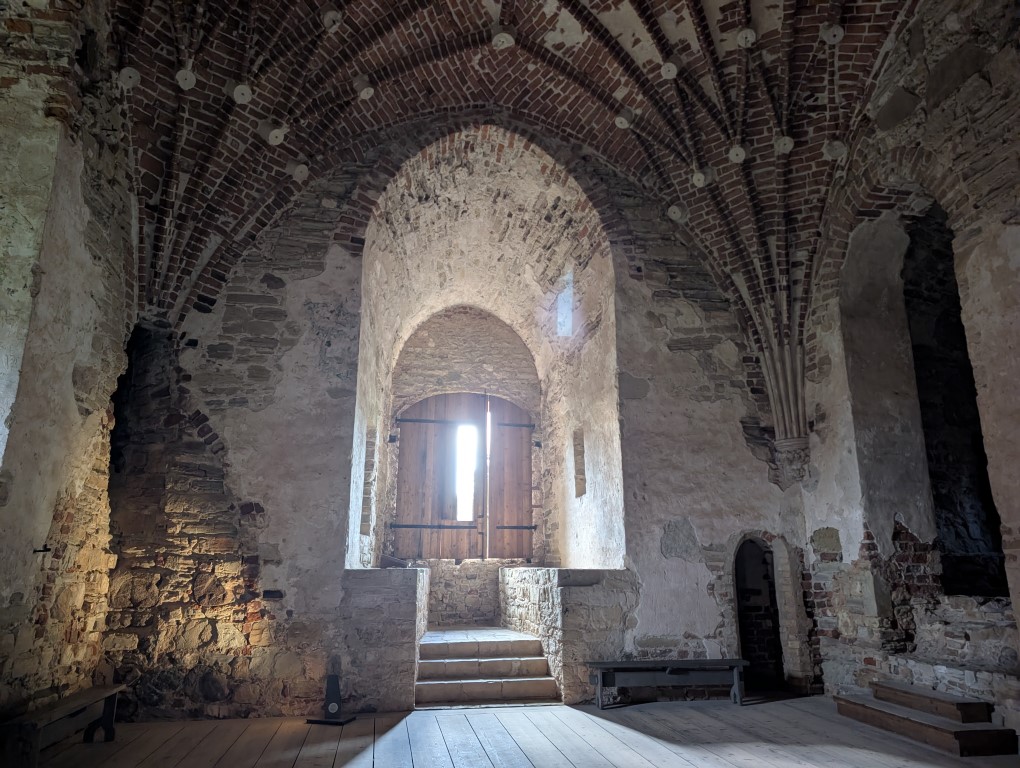
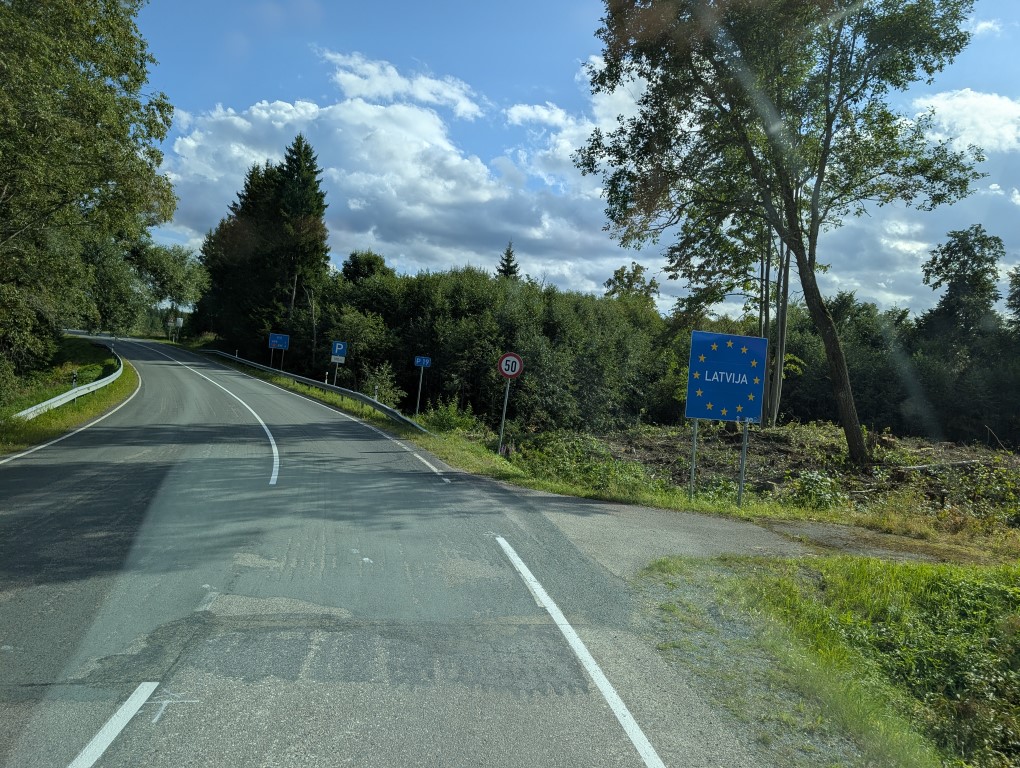
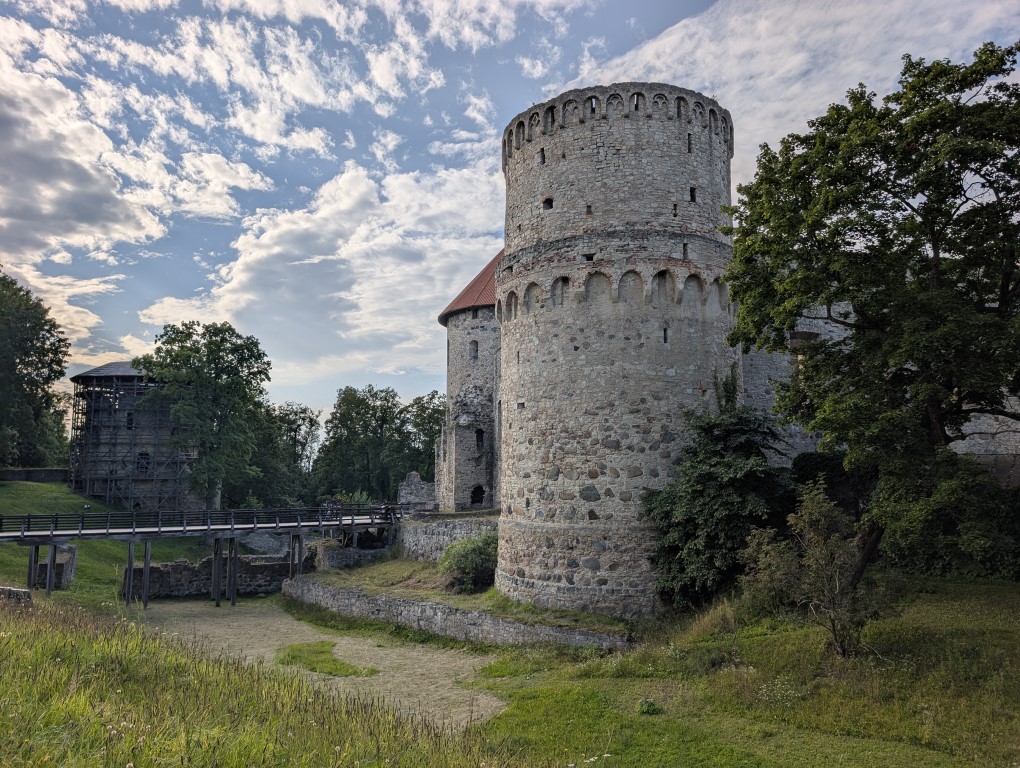
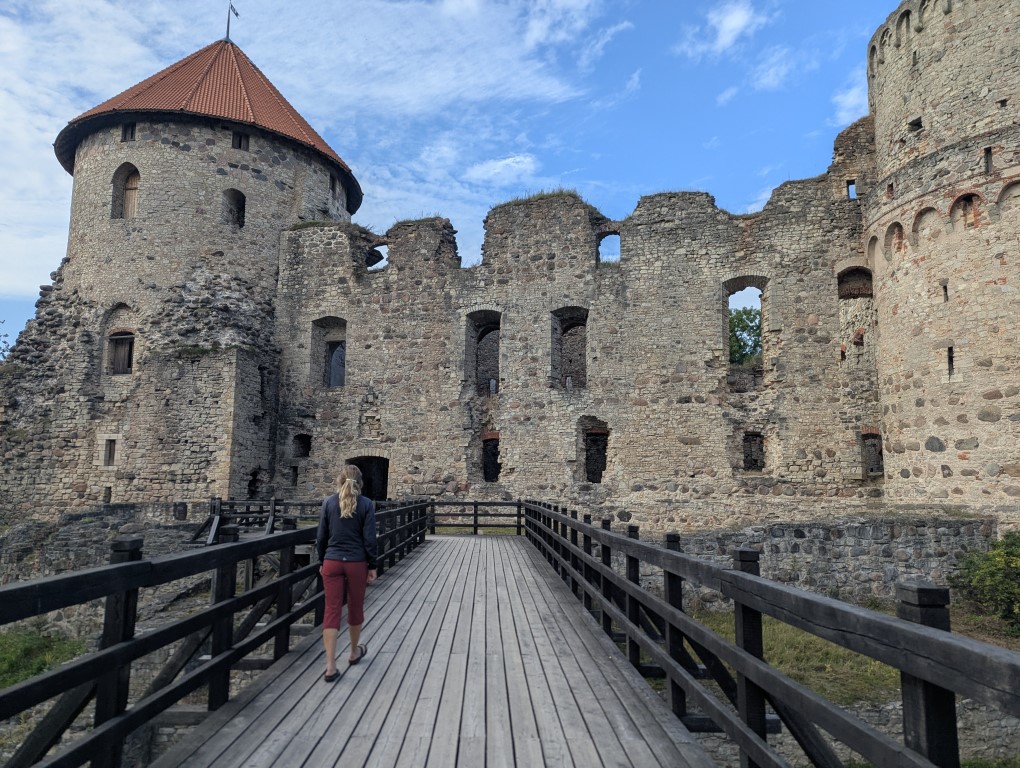
Then we headed across the border line to Latvia. There are no checkpoints of course since it’s all Europe. The town of Cesis has a medieval castle from the 13th century and they give you an old fashioned lantern to carry when you explore the west tower. It was a beautiful time of day to tour it. And it had that quintessential castle look.
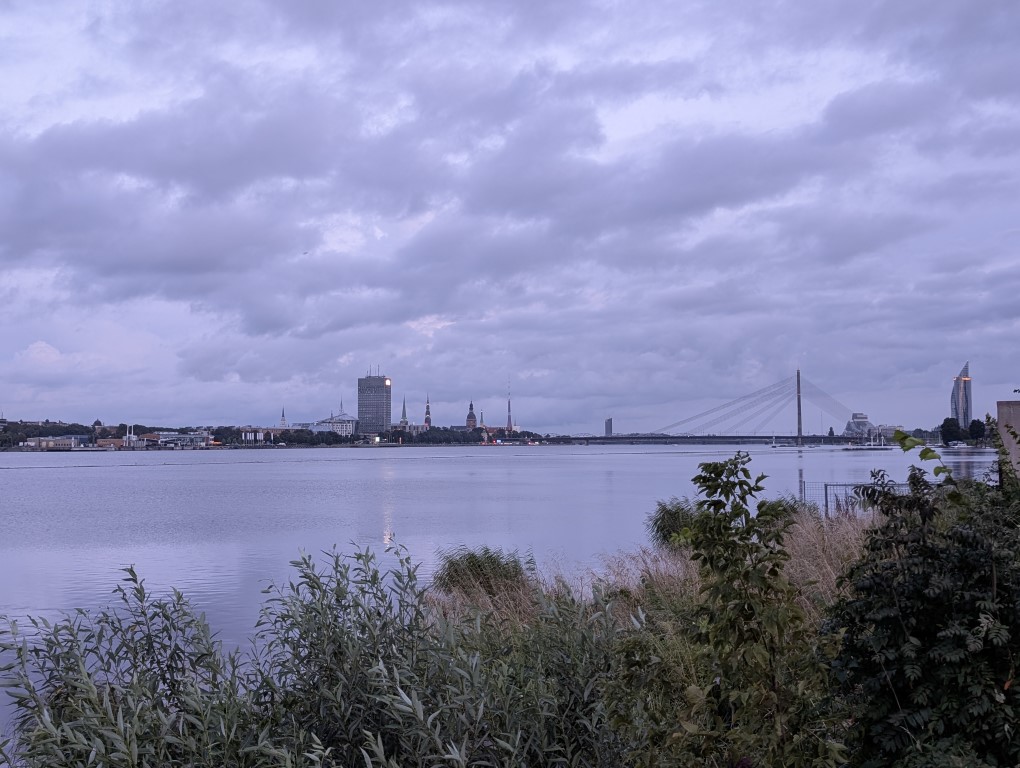
The next day was rainy but we moved to Gauja National Park and luckily it stopped for a few hours so that we could explore it. We noticed reports of strong winds but we never saw anything significant. But it turned out we were in a calm pocket down by the river in the park when the rest of the Baltic countries were getting hammered with high winds! When we left the following day we drove through areas with trees down all over and lots of damage. We headed to the City of Riga in Latvia, another beauty, and parked outside at a campground with a city view and walked in.
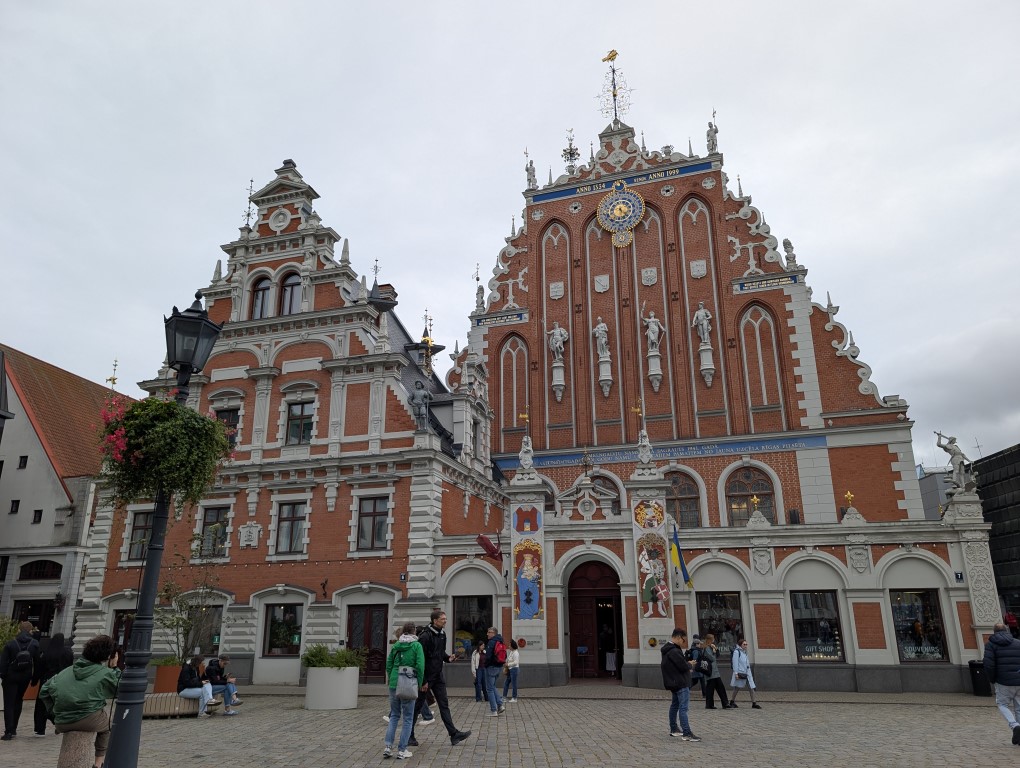
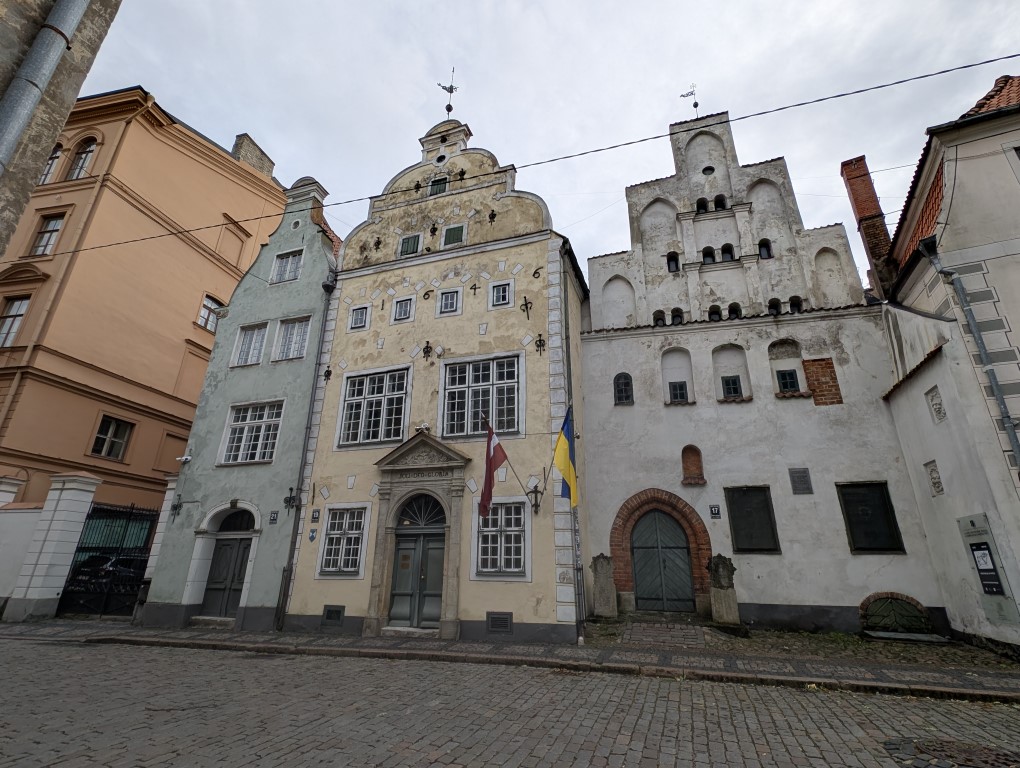
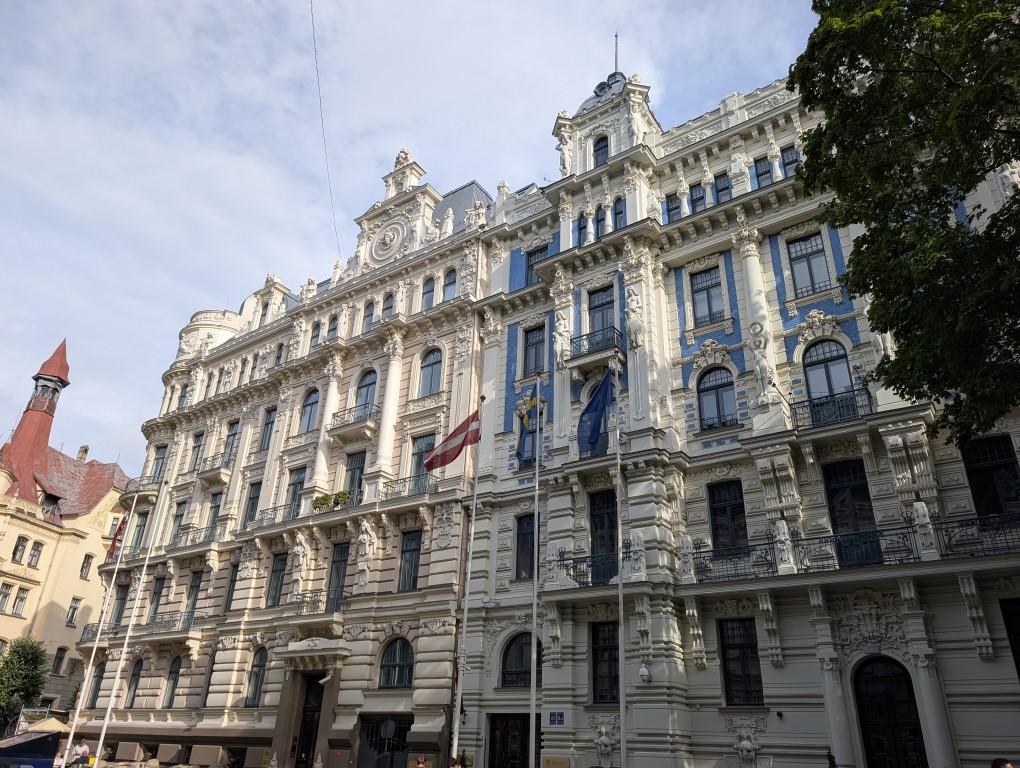
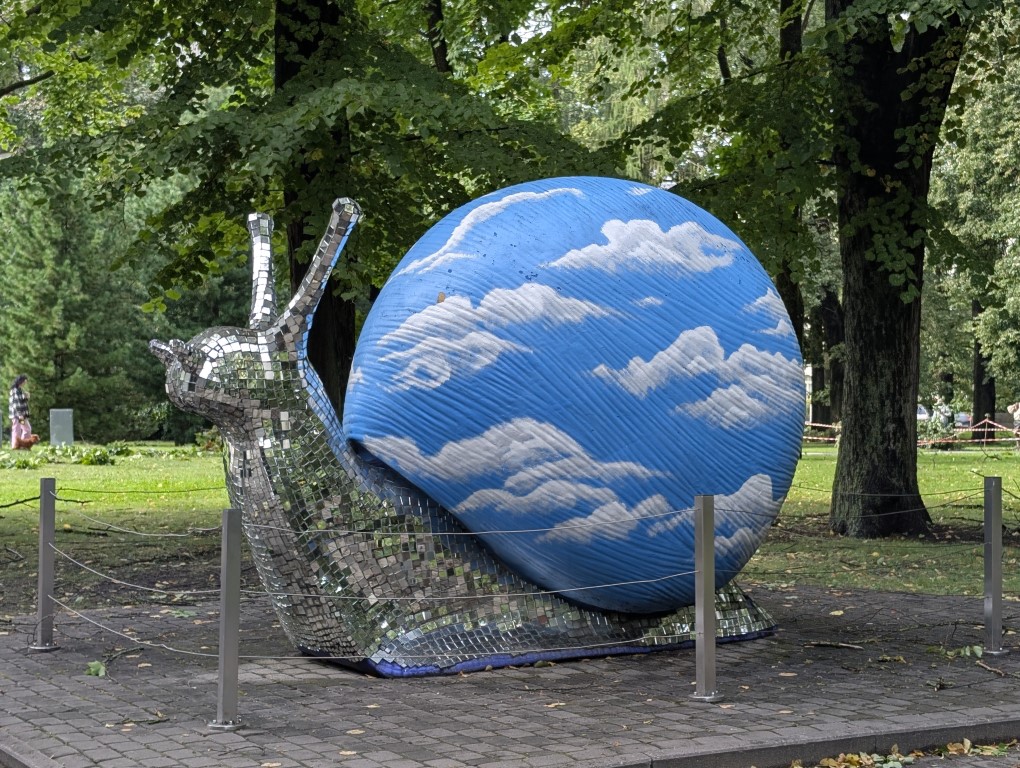
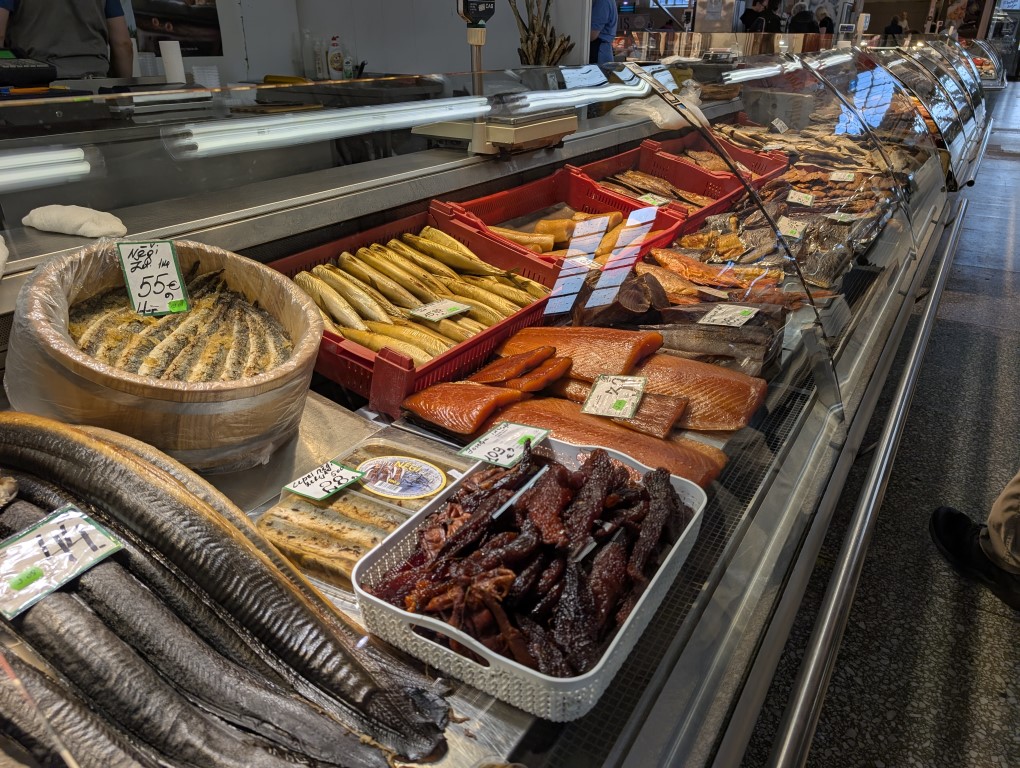
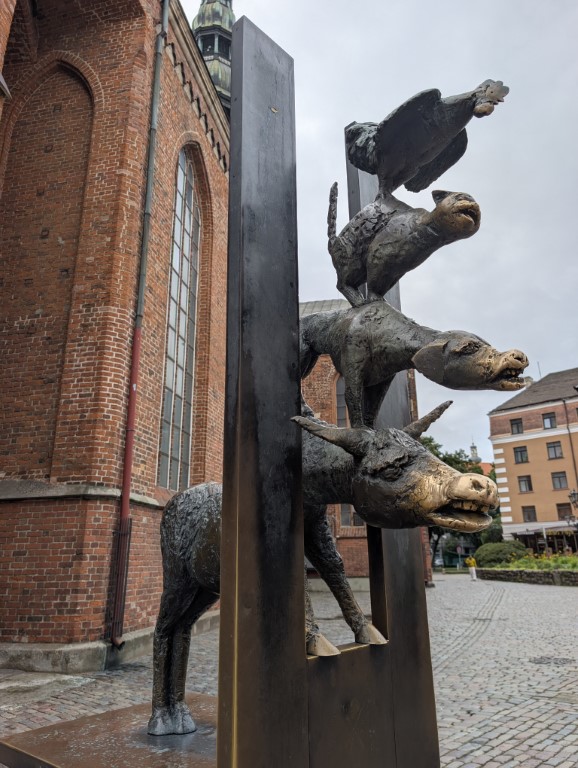
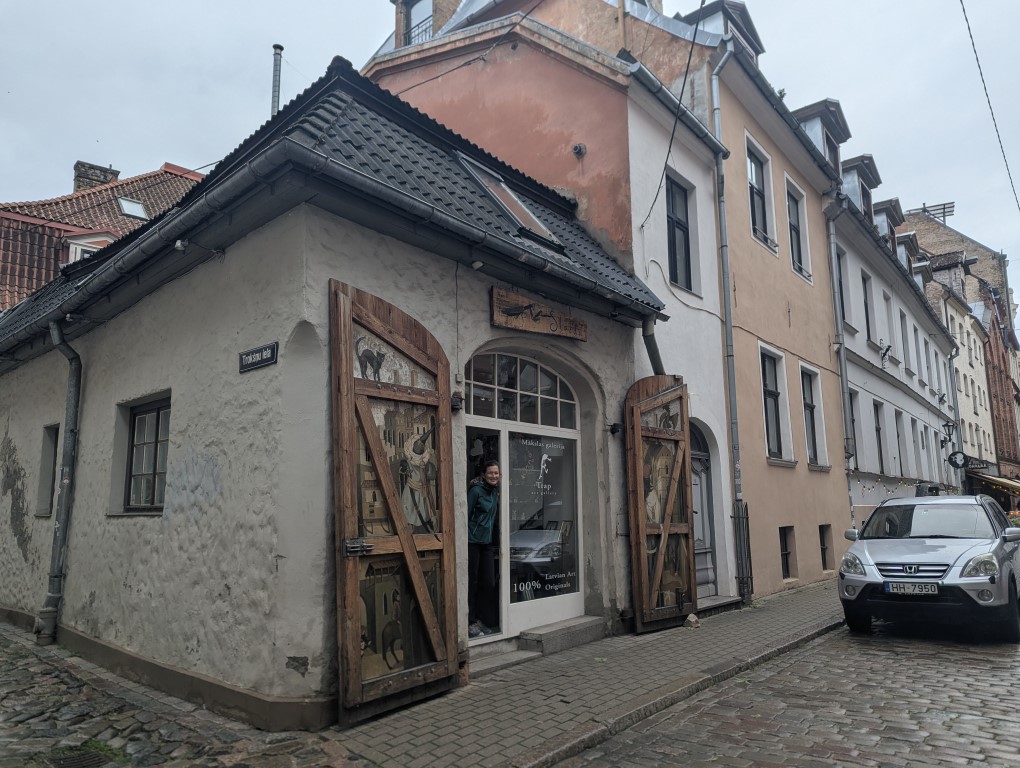
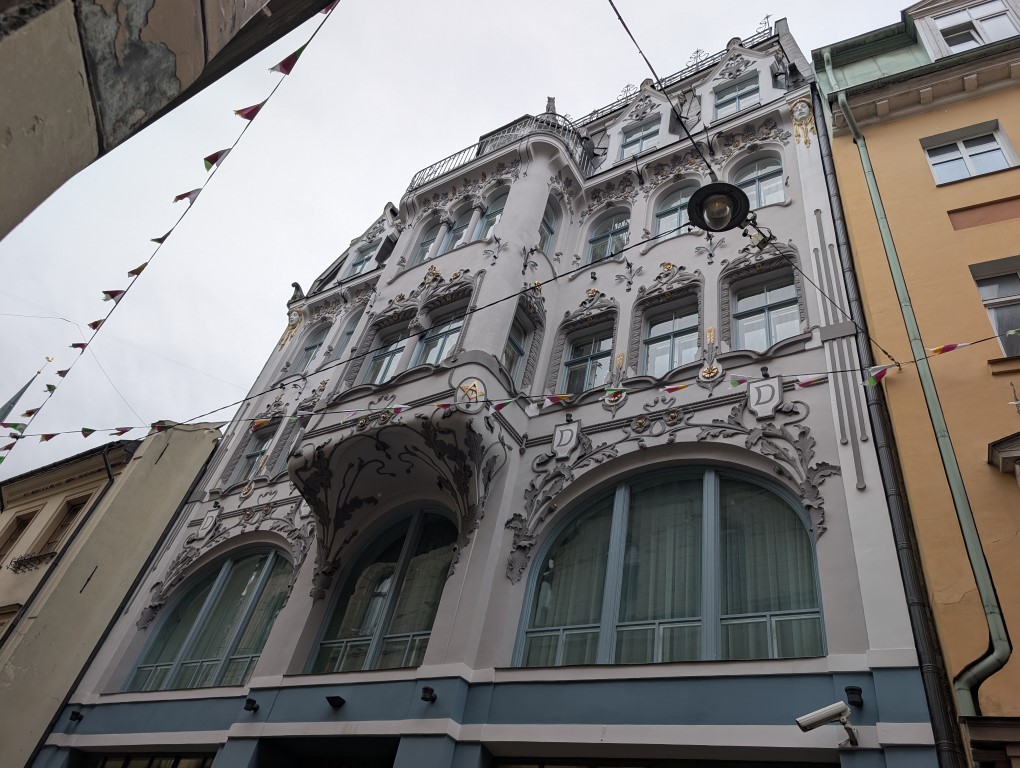
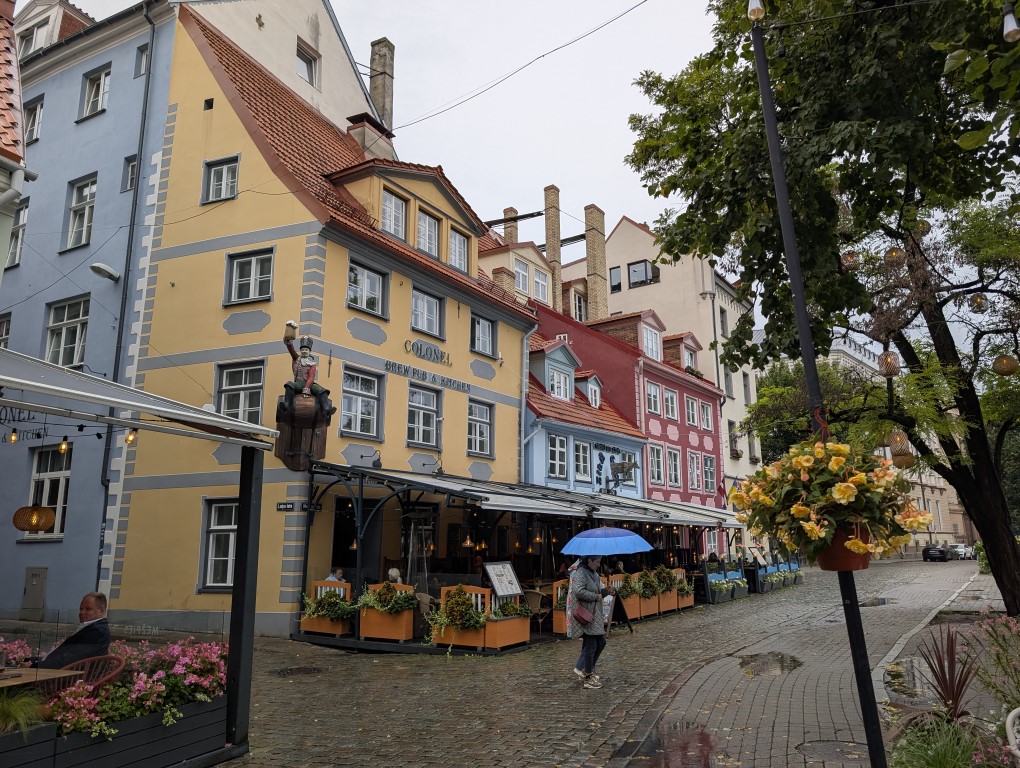
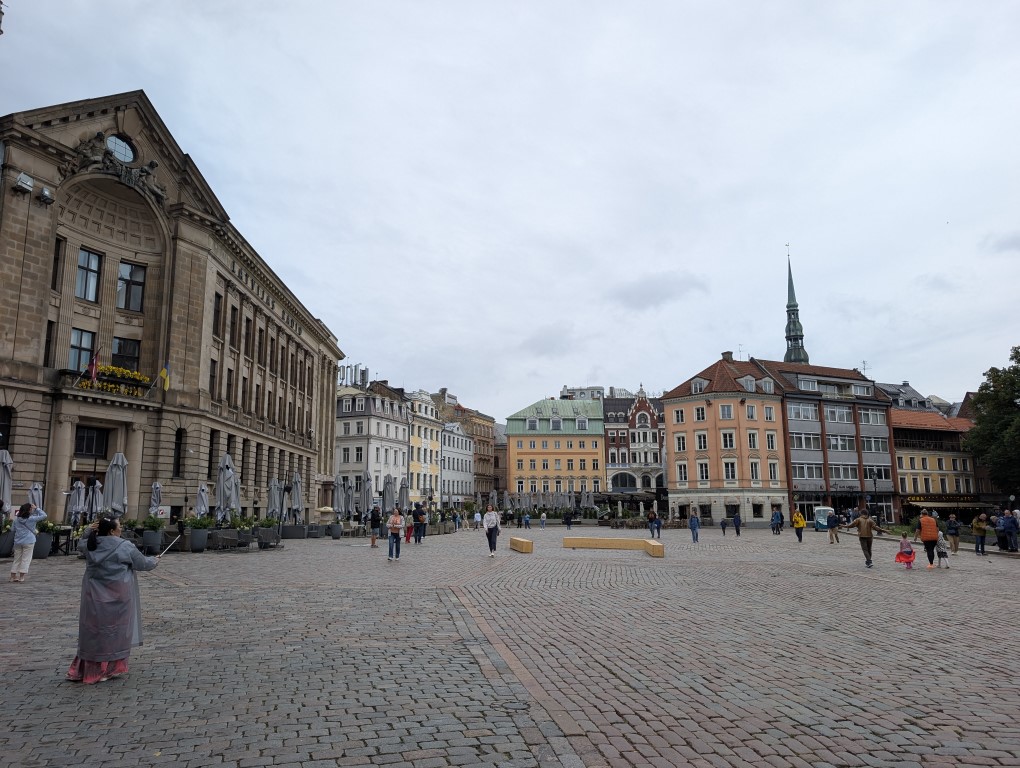
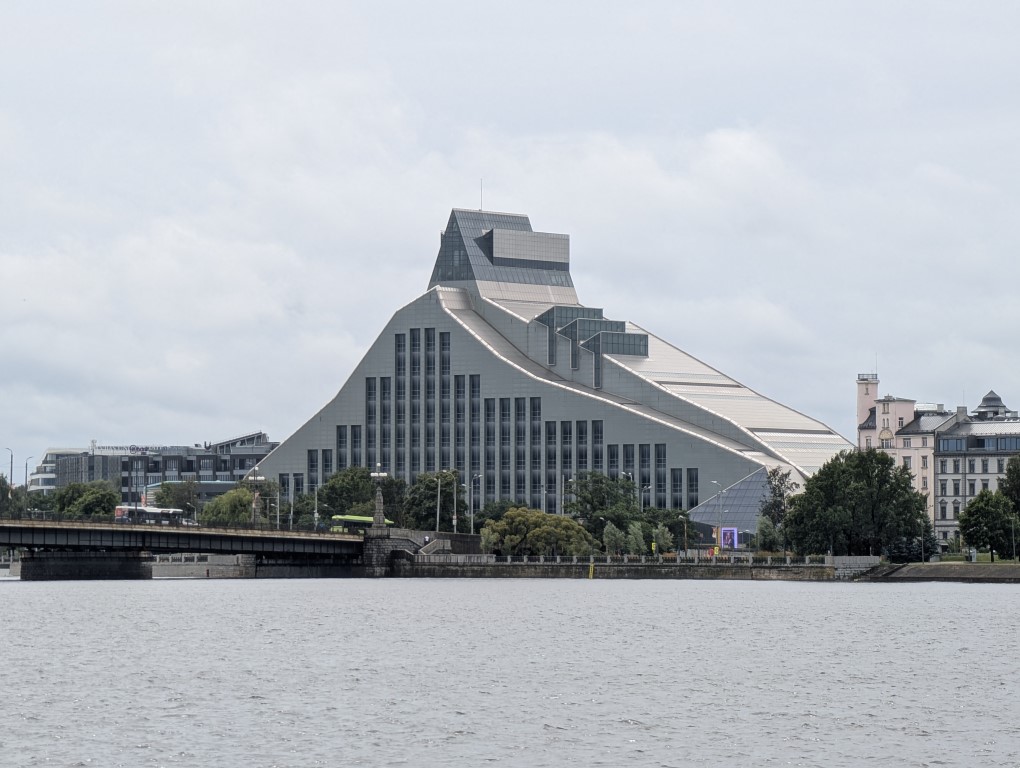
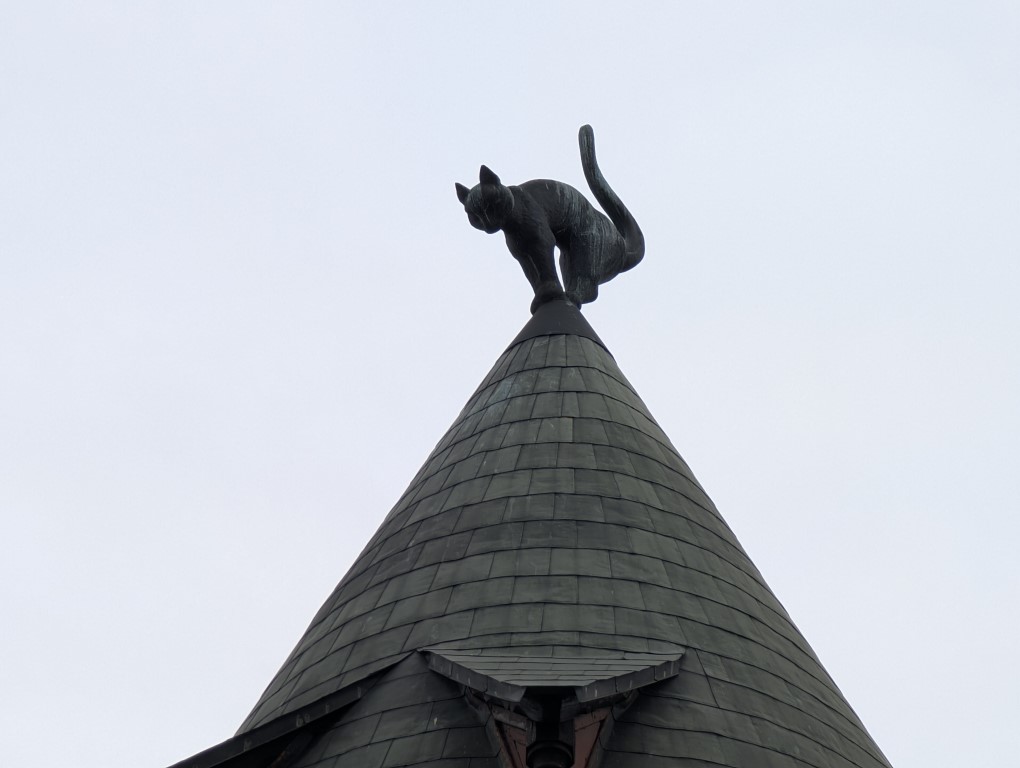
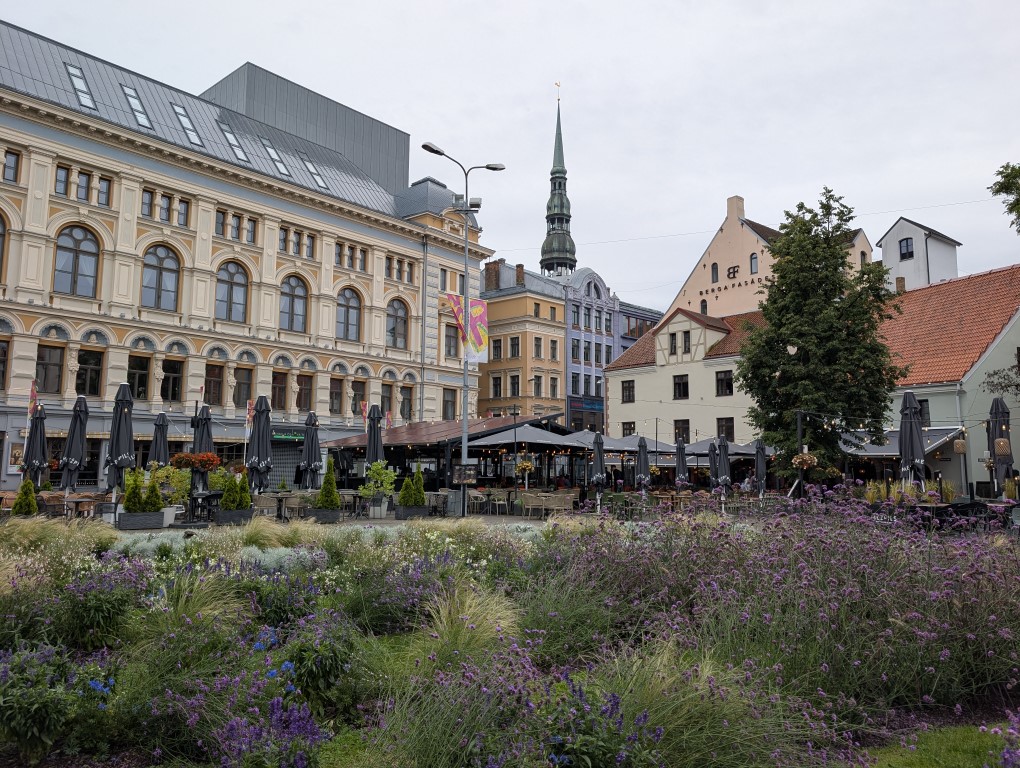
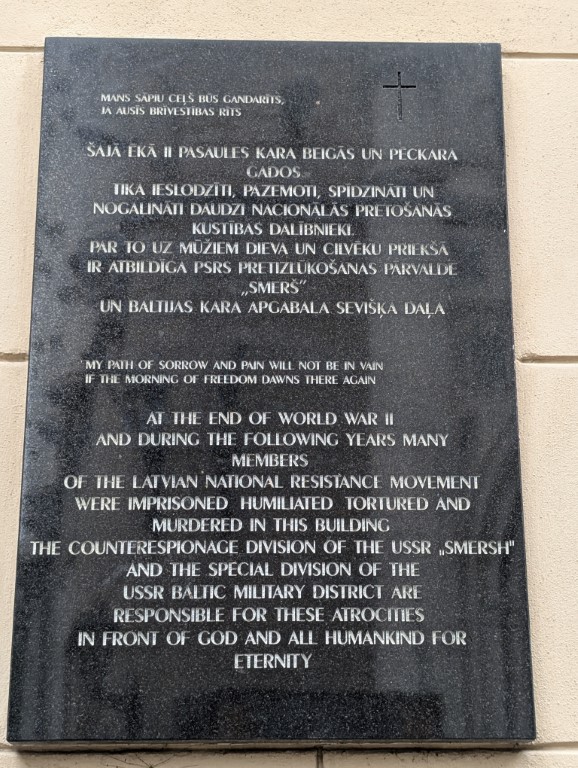
Riga has streets lined with art nouveau buildings, flowers everywhere, lots of signs describing the events of the past since some of the actual buildings where atrocities happened are still there and a part of the city. This is the thing about these parts. There are signs and plaques all over with reminders and memorials to those that were unfairly treated. You would hope that it couldn’t happen again but then you know better. On a happier note, there are the Three Brothers pastel colored buildings from the 1600’s, statues, parks and a massive market filled with everything including a huge display of all the smoked seafood that Latvia is famous for. We went out for Latvian food which was not as good as Estonia but we were certainly full when we left! Black cats are good luck and grace the top of a building too.
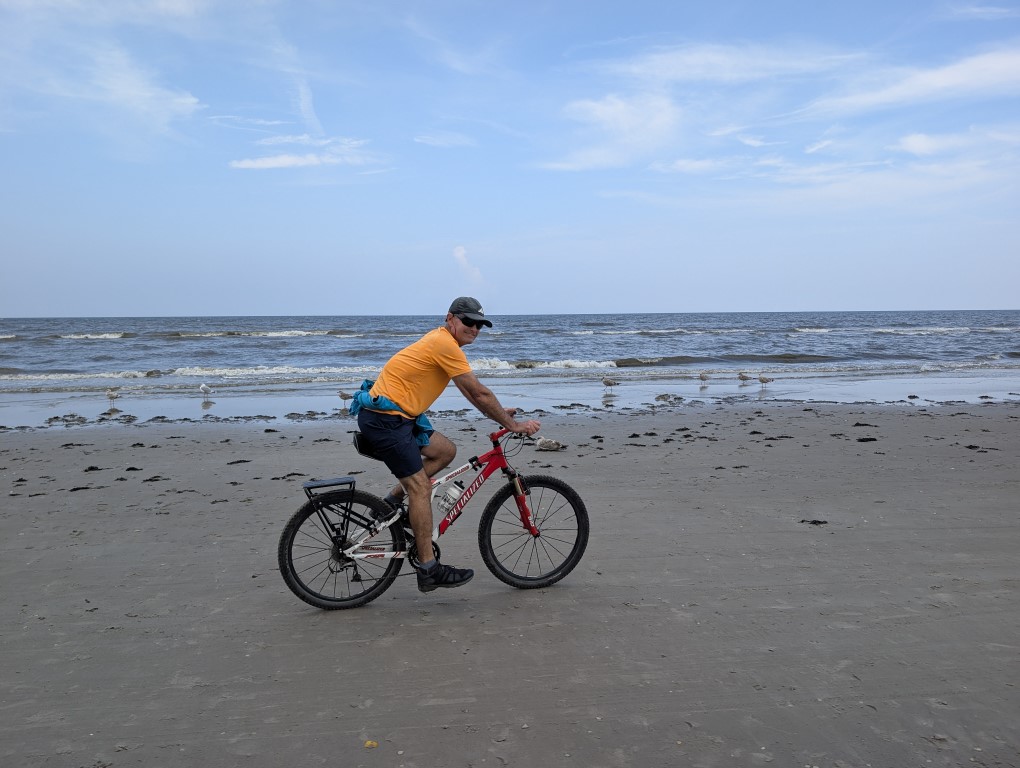
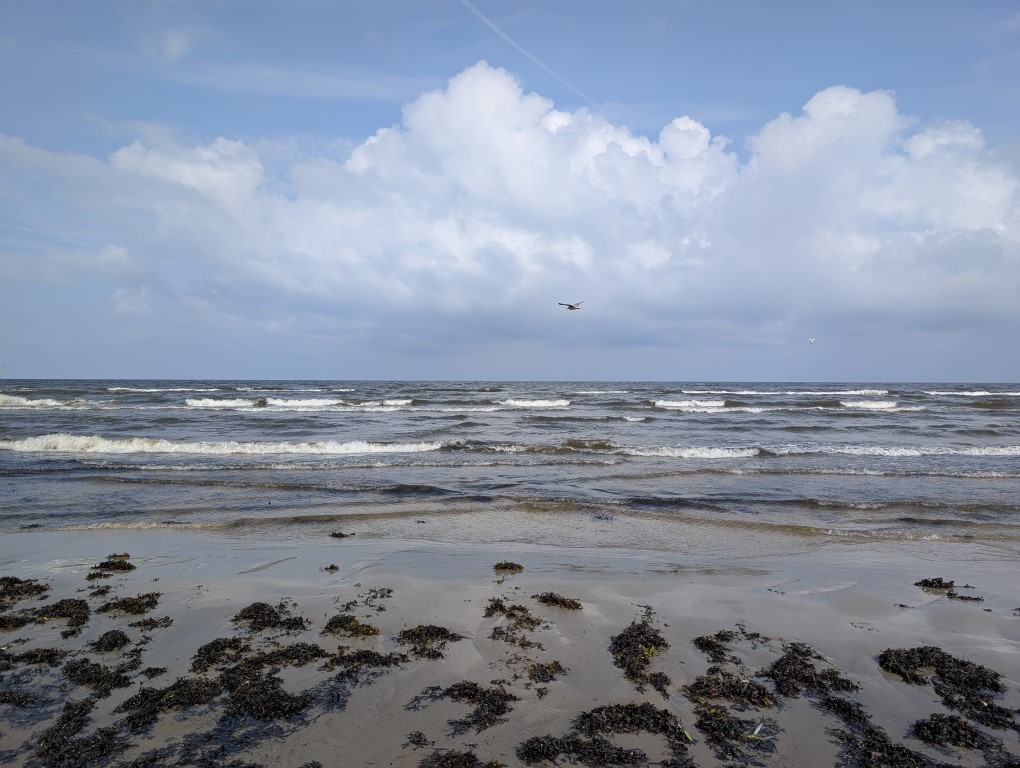
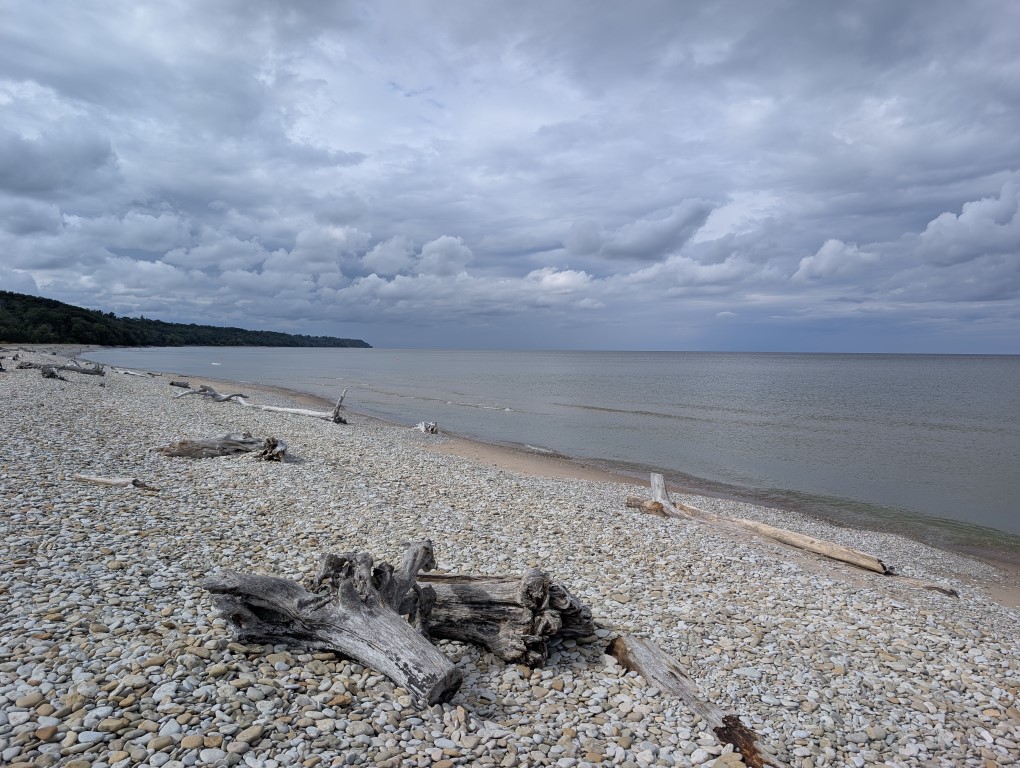
We moved to the coast to the town of Jurmala, a popular seaside resort area with a 25km long flat beach. Higher up Soviet officials used to like to vacation in this area and they also used it for propaganda purposes to try to show how well the SU was doing when in fact it was just a snippet of a priviledged area. The Baltic Sea is rather brown and you can tell it is a near landlocked sea. But, it was nice to get out on the bikes for a couple of hours.
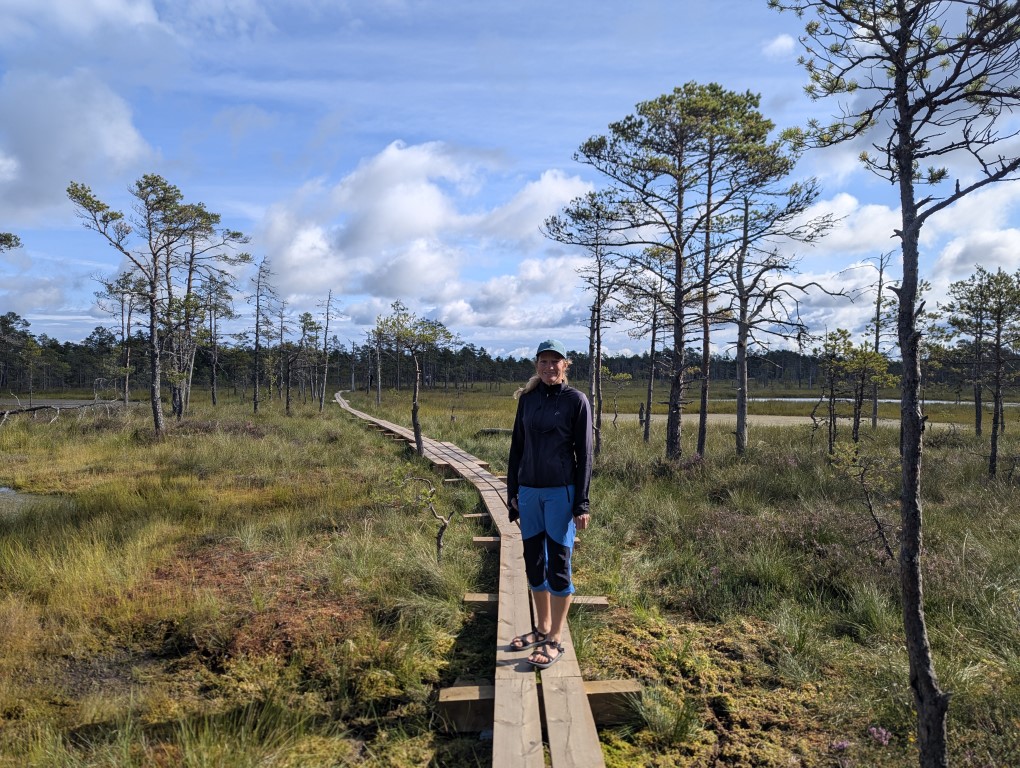
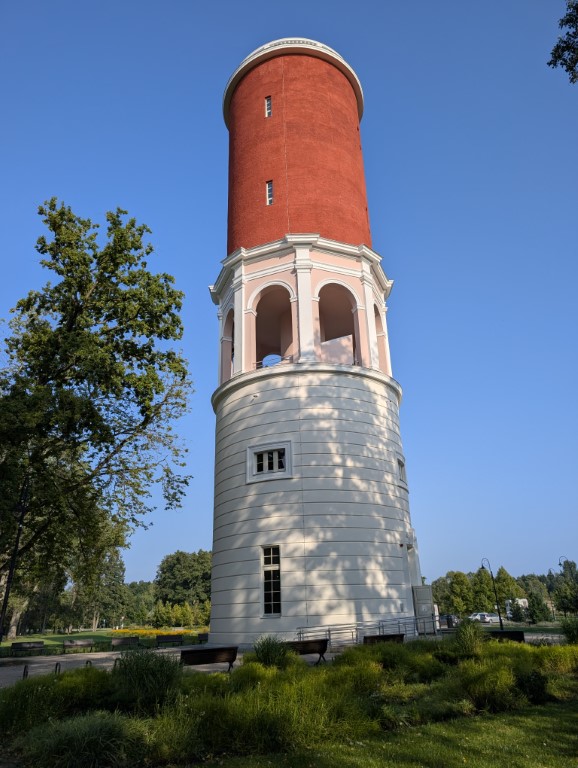
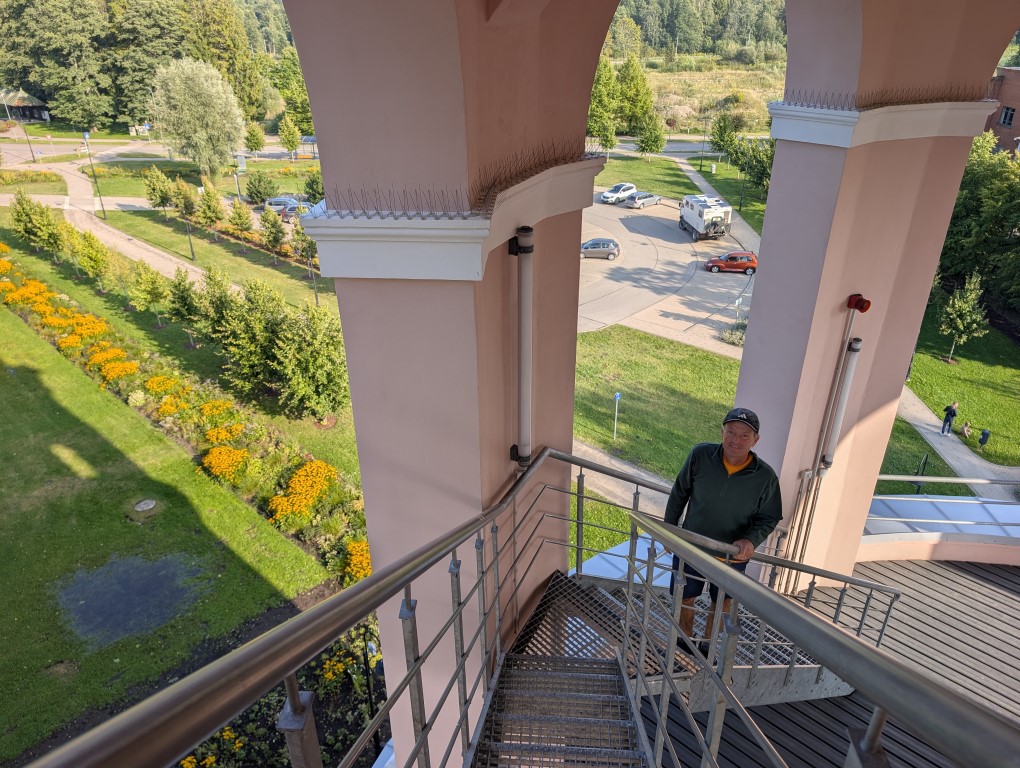
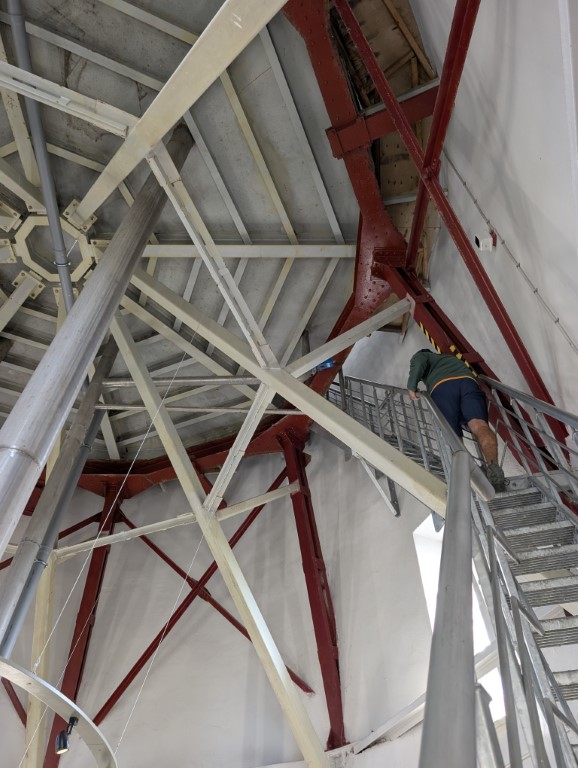
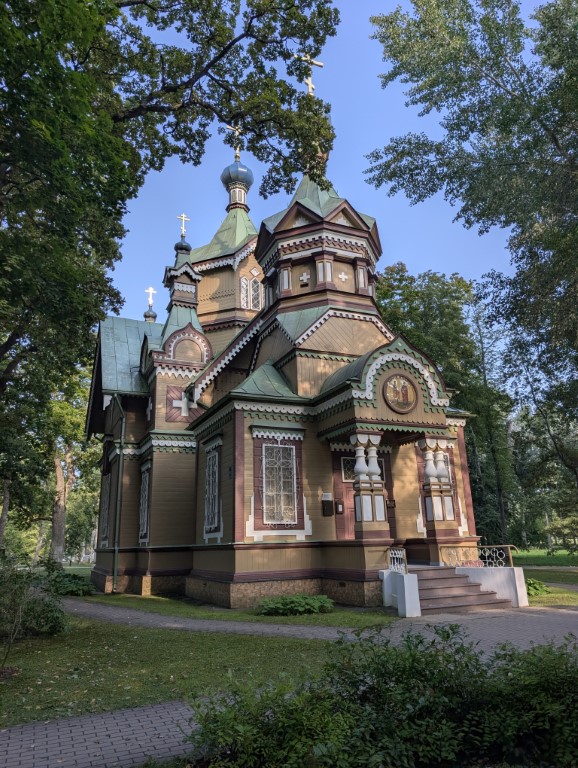
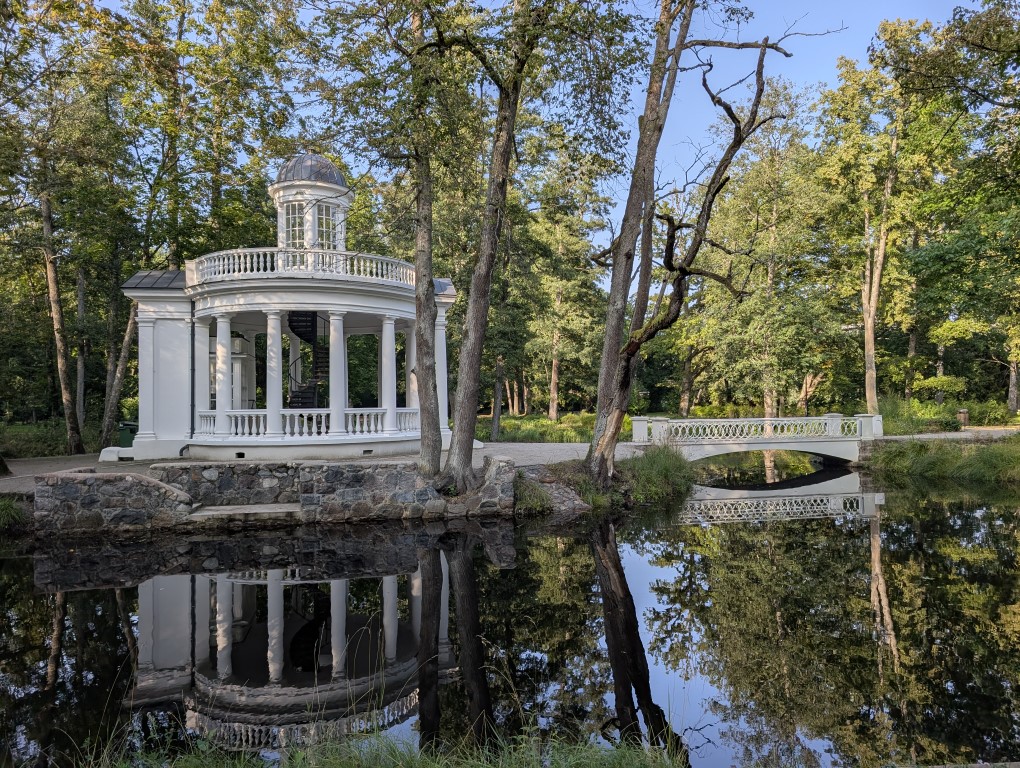
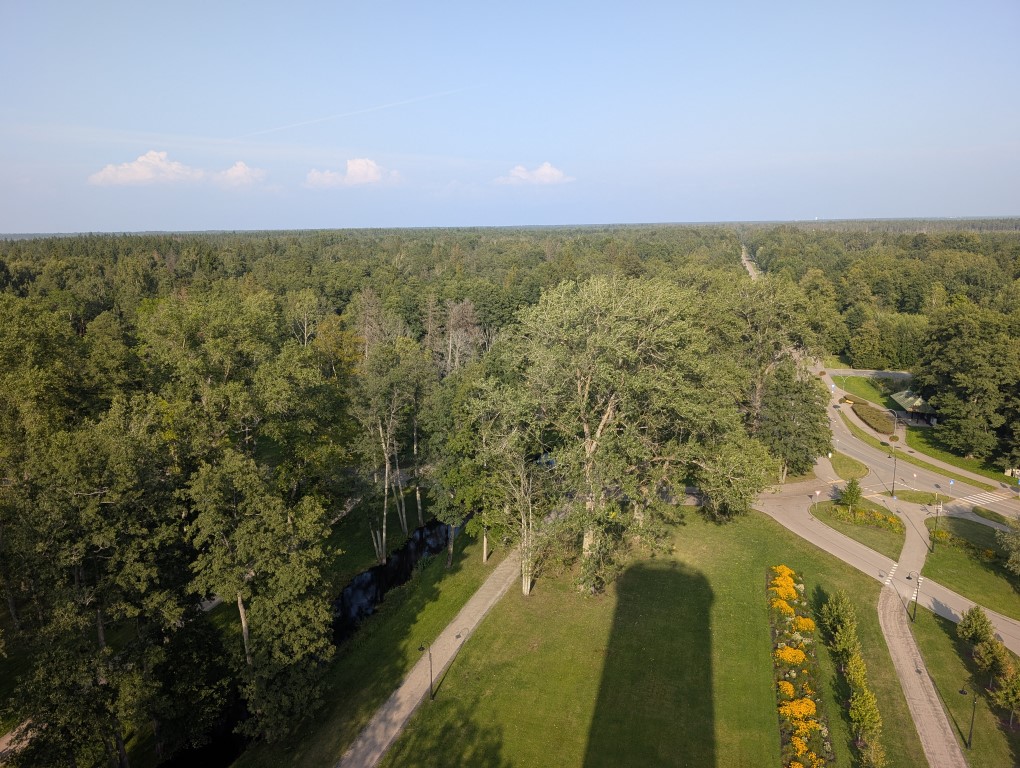
Kemeri National park protects a great bog with a long boardwalk and then several interesting spots like a historical sulfur spring that was touted to provide healing benefits so a whole resort grew up around it. The grounds were beautiful and we could climb up a restored water tower for a birdseye view of the area. We liked it so well we went back the next morning to do some more sights.
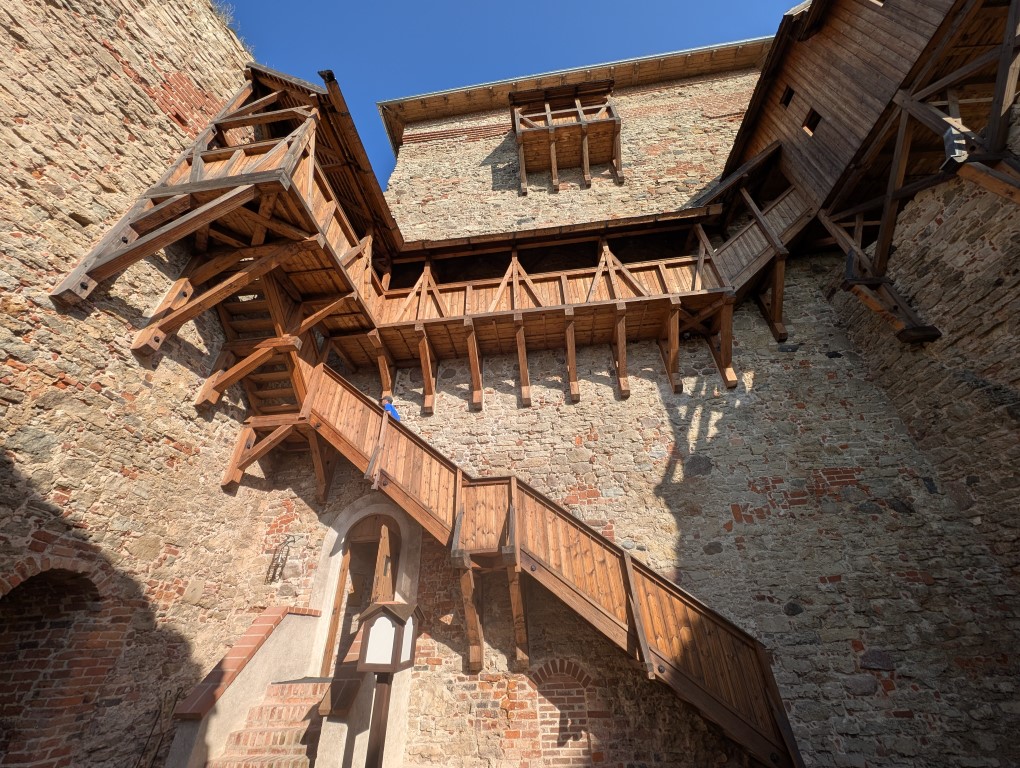
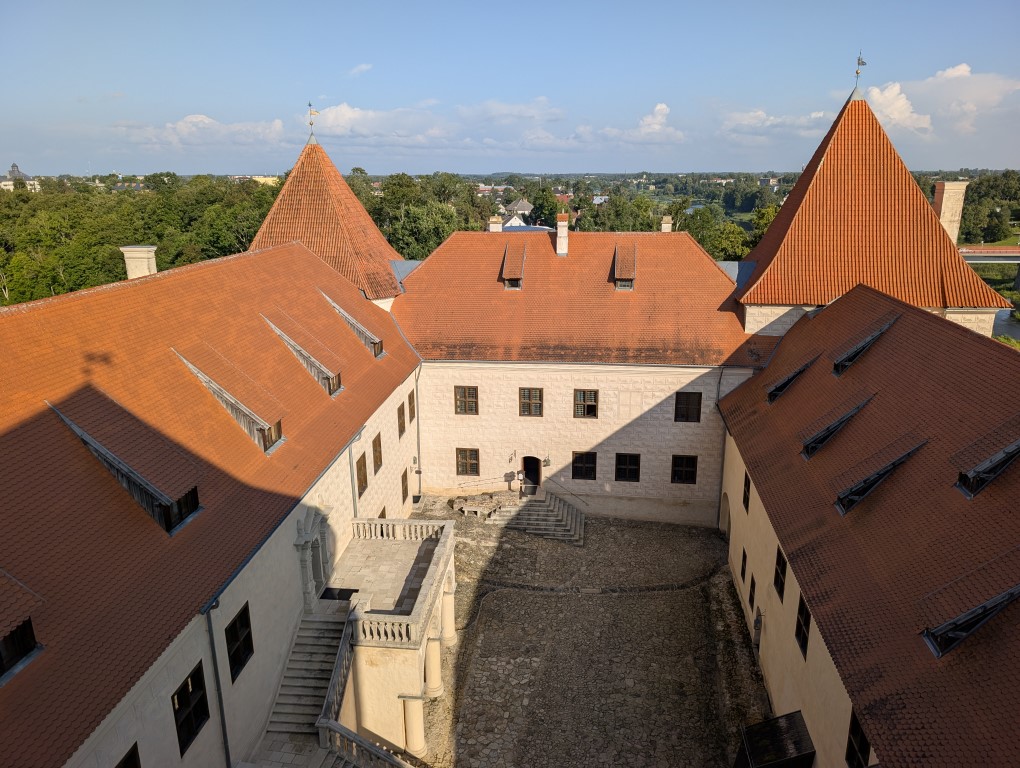
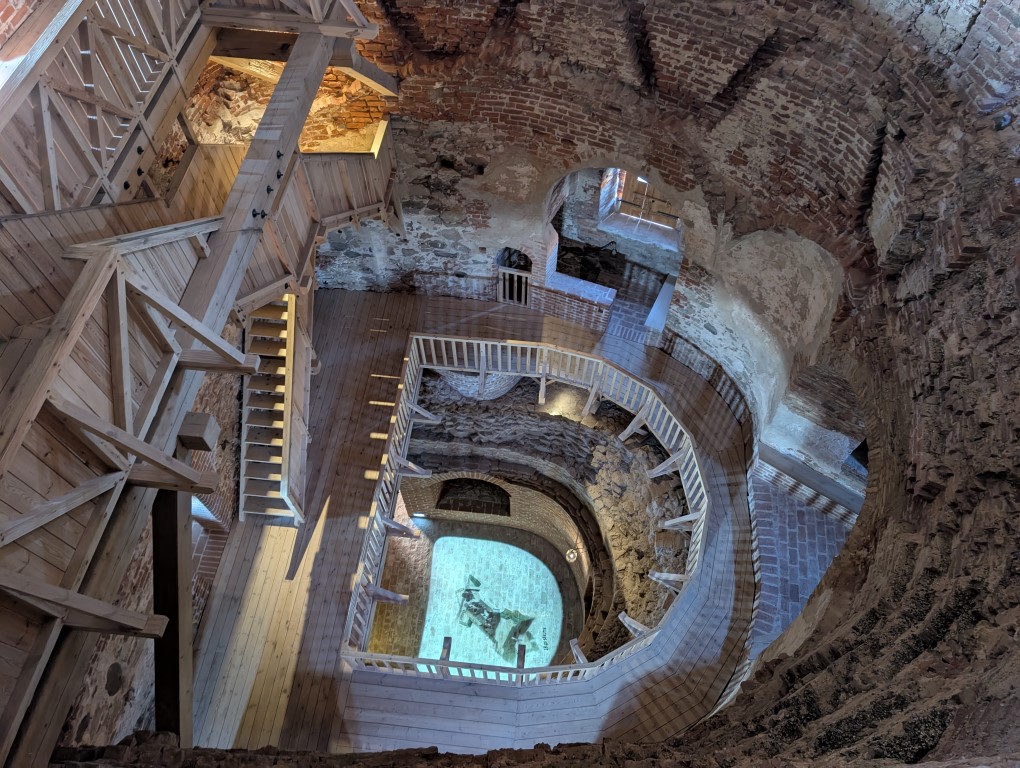
Then on to a couple more castles. The Bauskas Castle in Latvia sits out on a little peninsula and we toured the inside. You could climb one of the towers and look down through the inside of it which was interesting. The best pics of the whole castle would be with a drone but we had to bring the drone back to the US since we couldn’t carry it with us to Morocco. I know people do it but it isn’t legal and we don’t want to end up in a prison anywhere. Most castles have been heavily damaged in previous wars. Reconstruction helps bring them back to life.
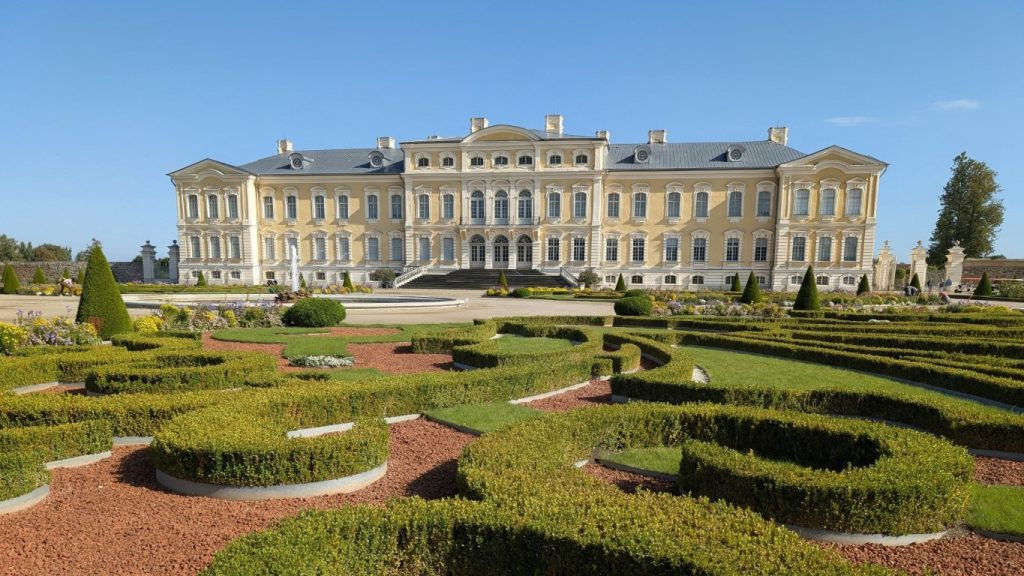
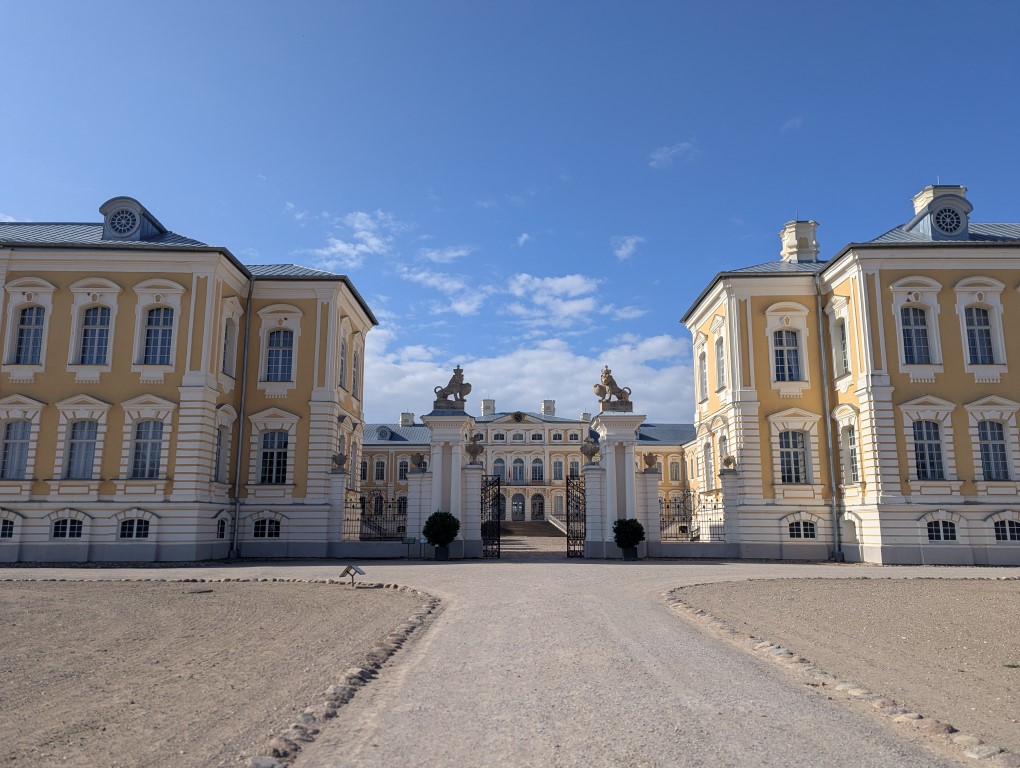
The Rundale Palace Museum near the border with Lithuania was touted to be the Versailles of Latvia but we didn’t see it that way. We toured the grounds and were unimpressed so didn’t go inside. There was very little garden to the garden!
And now we’re in Lithuania. The Baltics have a very quiet feel. Not too many people, not too many dramatic things. Given their history, maybe its all they need. I hope they remain free.